
Toyota
Founded in 1937 by Kiichiro Toyoda as a spin-off from Toyoda Automatic Loom Works, Toyota Motor Corporation has stood for decades as the world's benchmark for lean manufacturing (The Toyota Production System), total quality management (Kaizen), and extreme automotive durability. Pioneering mass-market hybrid electrification with the 1997 Prius, Toyota remains the undisputed global leader in hybrid vehicle volume and electrified drivetrain longevity.
Built upon the Toyota New Global Architecture (TNGA), modern Toyotas unite low centers of gravity, laser-screw welded chassis rigidity, and legendary Dynamic Force engine designs. From the indestructible body-on-frame Land Cruiser and Tacoma to fuel-sipping passenger icons like the Camry, Corolla, and RAV4, Toyota prioritizes mechanical robustness, resale value, and accessible ownership over short-lived styling fads.
Toyota's proprietary Hybrid Synergy Drive (e-CVT) completely avoids belts, friction clutches, or hydraulic valve bodies, instead utilizing a planetary gear power-split device that routinely logs 300,000+ miles in commercial fleet service with minimal maintenance overhead.
1951–2026
Indexed Era
5 Model Series
Sedan, SUV
3 Architecture Families
Unibody & Skateboard
Toyota Safety Sense (TSS 3.0)
Standard Radar/Camera ADAS
5-Yr / 60,000 Mi
Factory Coverage
015 model lines
Toyota Vehicle Lineup & Spec Sheets
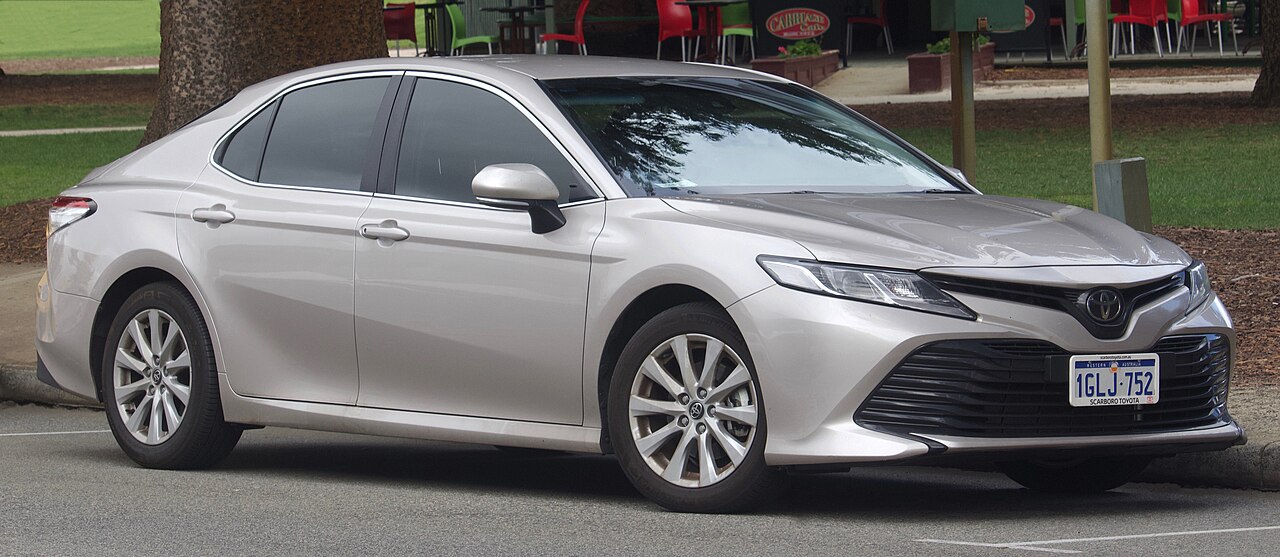
Toyota Camry
View Specifications
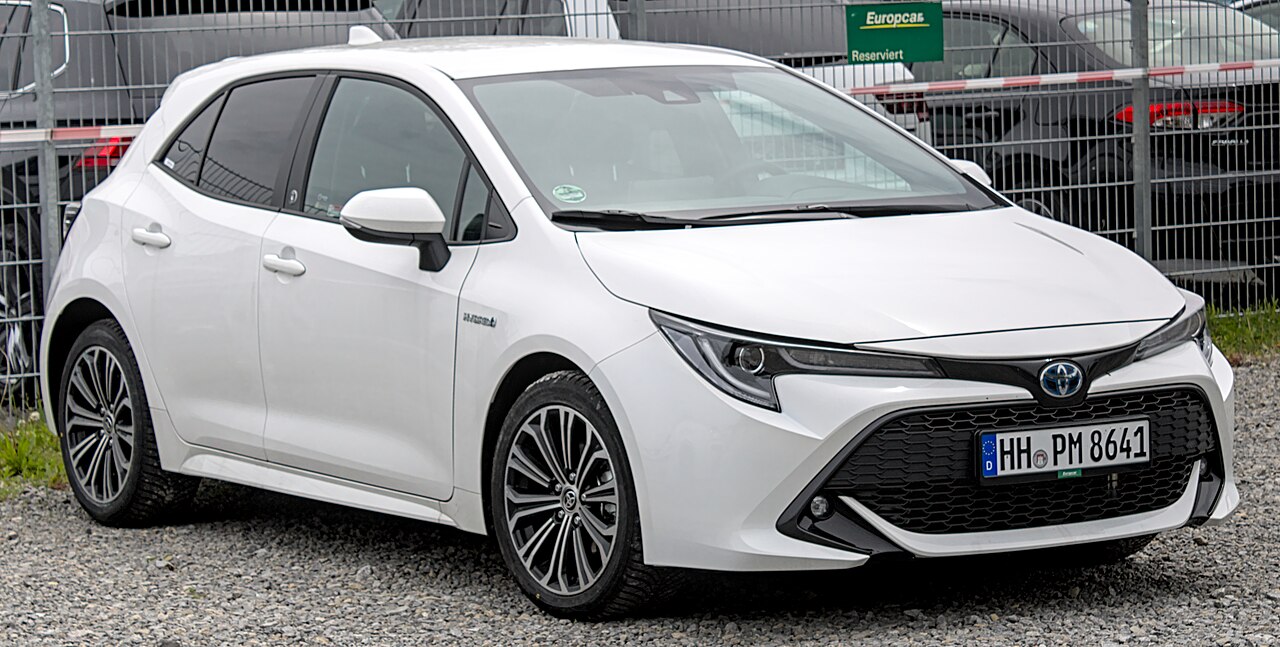
Toyota Corolla
View Specifications
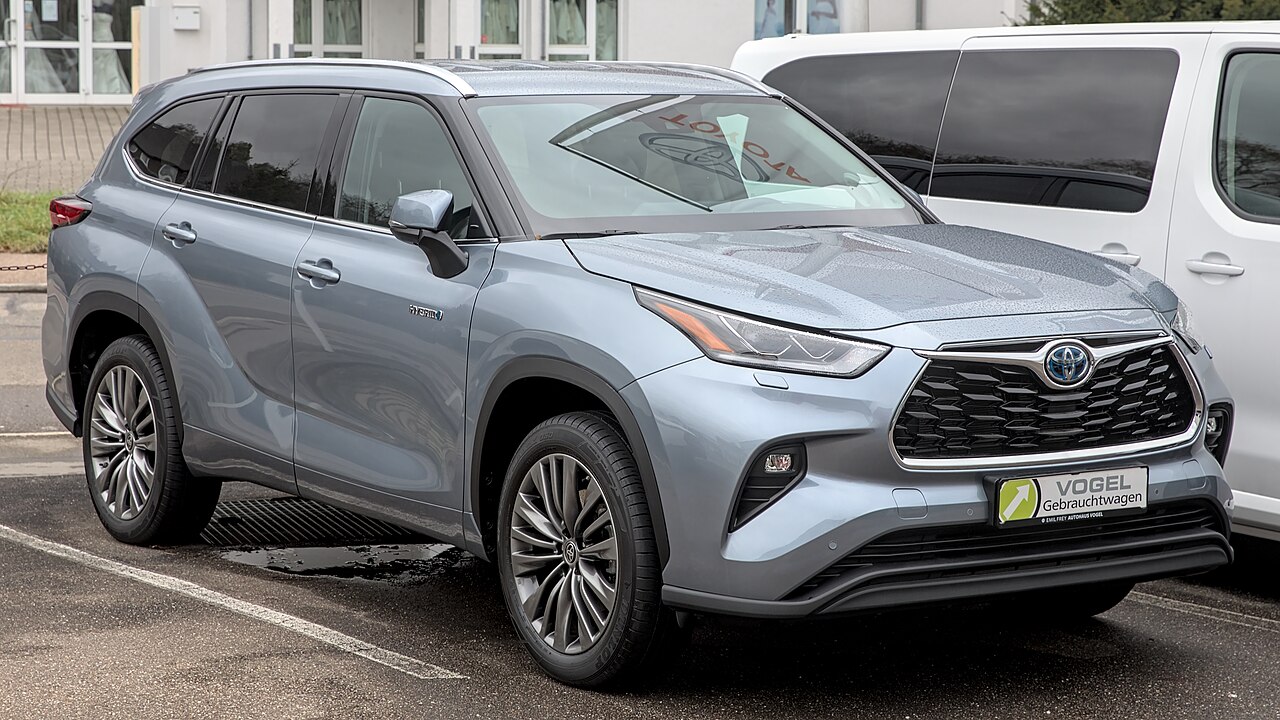
Toyota Highlander
View Specifications
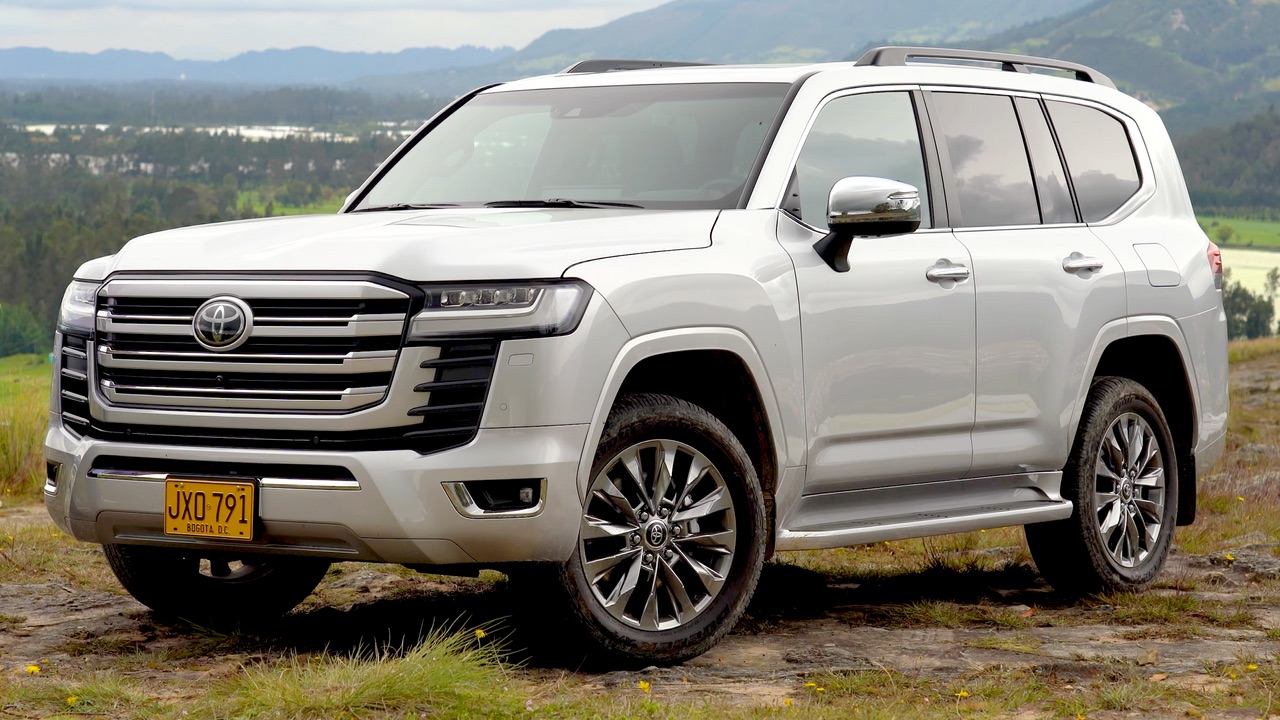
Toyota Land Cruiser
View Specifications
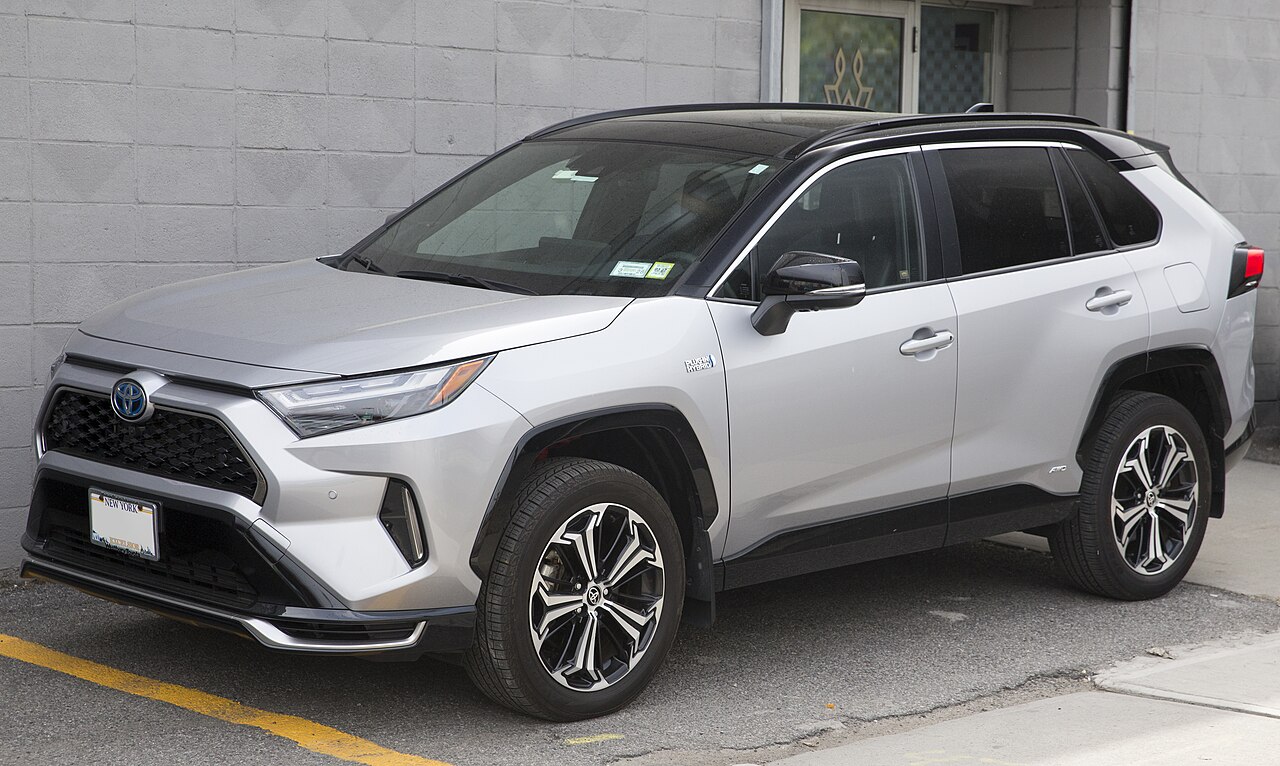
Toyota RAV4
View Specifications
02Comparative Analysis
Toyota Model Lineup Specification Matrix
Direct side-by-side engineering comparison across all active and indexed Toyota model series. Specifications reflect current generation factory configurations, official EPA fuel economy testing, and certified powertrain output.
| Model & Class | Active Gen / Code | Engine / Powertrain | Horsepower | EPA Combined | Drivetrain | Transmission | Spec Sheet |
|---|---|---|---|---|---|---|---|
| Toyota CamrySedan | Camry XV80 (XV80) | A25A-FXS | 225–232 hp | 48–51 MPG | FWD, AWD | eCVT | Specs |
| Toyota CorollaSedan | Corolla XII (E210) | 2ZR-FXE, 2ZR-FAE, M20A-FKS | 121–169 hp | 33–52 MPG | FWD | eCVT / CVT | Specs |
| Toyota HighlanderSUV | Highlander IV (XU70) (XU70) | A25A-FXS HEV, T24A-FTS, 2GR-FKS | 243–295 hp | 23–35 MPG | AWD | e-CVT / 8-Speed Automatic | Specs |
| Toyota Land CruiserSUV | Land Cruiser J300 (J300) | F33A-FTV, V35A-FTS | 305–409 hp | 17–23 MPG | 4WD | Automatic | Specs |
| Toyota RAV4SUV | RAV4 XA50 (XA50) | A25A-FKS, A25A-FXS | 203–302 hp | 28–40 MPG | AWD | Automatic / eCVT | Specs |
* EPA ratings are verified against federal testing database cycles (City / Highway / Combined). Individual real-world fuel economy varies with payload, tire compound, and thermal conditions.
03Chassis & Architecture
Toyota Modular Platform Engineering
TNGA-K (Toyota New Global Architecture - K)
Modular transverse front/all-wheel-drive architecture delivering high torsional rigidity, multi-link rear suspension packaging, and class-leading low cabin noise vibration and harshness (NVH).
TNGA-F (Body-on-Frame Global Architecture)
High-strength boxed ladder frame chassis engineered with laser-welded structural crossmembers, accommodating massive suspension articulation, heavy off-road payloads, and multi-link coil-sprung rear axles.
TNGA-C (Compact Global Architecture)
Compact architecture balancing light curb weights with double-wishbone rear suspensions for agile urban dynamics and high crash energy dissipation.
04Internal Combustion & Electric
Toyota Powertrain Families & Thermal Efficiency
Paired with Toyota's planetary e-CVT and available Electronic On-Demand AWD (e-Four), which powers the rear wheels with an independent electric motor without a physical driveshaft.
Engineered for heavy towing, desert off-road crawling, and high-altitude load handling, mated to a robust 10-speed hydraulic automatic transmission.
05Security & Protection
Toyota Active Safety Suite & Factory Warranty Audit
Toyota Safety Sense (TSS 3.0)
Toyota models consistently secure 5-Star Overall Safety Ratings from the NHTSA and Top Safety Pick+ honors from the IIHS, anchored by energy-absorbing TNGA crumple zones.
Key Sensor & Driver Assistance Technologies:
- Pre-Collision System with Pedestrian & Bicyclist Detection with intersection support
- Full-Speed Range Dynamic Radar Cruise Control (DRCC)
- Lane Departure Alert with Steering Assist and Road Sign Assist (RSA)
- Proactive Driving Assist (PDA) providing gentle braking into curves and deceleration distance control
Factory Warranty Terms & Transfer Audit
5 Yrs / 60k Mi
Powertrain Limited
3 Yrs / 36k Mi
Bumper-to-Bumper
Toyota factory warranties are fully transferable to subsequent owners at zero cost. Furthermore, Toyota provides an industry-leading 10-year/150,000-mile Hybrid Battery Warranty on all electrified models from model year 2020 onward.
* Coverage validated against official manufacturer customer service warranty bulletins. Electric battery packs carry standard 8-to-10-year high-voltage component warranties.
06Purchasing Guide
Toyota Buyer Decision Matrix
Toyota Camry (Hybrid)
The undisputed gold standard for mid-size commuter sedans, achieving up to 51 MPG combined, exceptionally low maintenance costs, and class-leading resale value.
Toyota RAV4 (Hybrid or Prime PHEV)
Unbeatable blend of practical cargo dimensions, electronic AWD stability, 40 MPG hybrid efficiency, and 302 hp in the plug-in Prime variant.
Toyota Land Cruiser
Legendary TNGA-F body-on-frame durability, full-time four-wheel drive with Torsen locking center differential, and 6,000 lbs towing capacity.
07Engineering Reference
Essential Technical Guides for Toyota Shoppers
17-Digit VIN Number Architecture & Decoding Guide
How to decode your Toyota's WMI origin code, plant location, engine designation, and check digit to audit safety recalls.
Transmission Types Compared: CVT vs DCT vs Torque-Converter
Detailed engineering analysis of Wet Dual-Clutch, stepped hydraulic automatics, and e-CVT planetary hybrid gearboxes.
AWD vs 4WD vs FWD vs RWD: Mechanical Principles Explained
Electro-hydraulic multi-plate clutches vs mechanical center differentials: torque vectoring and all-weather capability.
Engine Displacement Guide: Bore, Stroke & Swept Volume
How cylinder volumetric capacity, compression ratios, and thermal efficiency dictate real-world power and emissions.
EPA Fuel Economy Explained: City, Highway & Combined MPG
Understanding official federal dynamometer test schedules and how the harmonic average combined MPG formula is calculated.
Turbocharged vs Naturally Aspirated Engines
Exhaust turbine boost dynamics, charge-air intercooling, low-RPM torque curves, and long-term maintenance differences.
08Chassis Registry
Toyota Generation History & Chassis Codes
09Owner & Buyer Inquiries
Toyota: Essential Technical & Ownership Questions
Why do Toyota hybrids have such high reliability records?
Toyota's Hybrid Synergy Drive (e-CVT) is mechanical genius through simplification. Unlike conventional automatic or dual-clutch transmissions, the e-CVT contains no belts, pulleys, starter motors, alternators, or traditional friction clutch packs. A single planetary gearset continuously splits engine power between the drive wheels and two electric motor-generators. With virtually no high-wear friction surfaces, these transmissions routinely exceed 300,000 miles without mechanical failure.
What is the warranty on Toyota hybrid batteries?
Beginning with the 2020 model year, Toyota upgraded its factory Hybrid Battery Warranty to 10 years or 150,000 miles (whichever occurs first), fully transferable to subsequent owners. Other hybrid components (inverter, hybrid ECU) are covered for 8 years or 100,000 miles.