
Nissan
With roots tracing back to the Kwaishinsha Motor Car Works in 1911 and the legendary Datsun marque established in 1934, Nissan Motor Company represents one of Japan's foundational industrial pillars. Renowned for engineering milestones spanning the Datsun 240Z sports coupe and the invincible R32–R34 Skyline GT-R 'Godzilla' AWD race cars, Nissan has long pushed mechanical boundaries in mass-market and performance motoring.
In modern vehicle manufacturing, Nissan operates as a cornerstone of the global Renault–Nissan–Mitsubishi Alliance, sharing modular architecture platforms while maintaining specialized engineering competencies such as variable-compression turbocharged combustion (VC-Turbo) and the ATTESA E-TS all-wheel drive system.
Nissan passenger vehicles focus on accessible, family-friendly utility featuring NASA-inspired Zero Gravity seats, active ProPILOT driver assistance, and low-friction Xtronic continuously variable transmissions designed for relaxed highway cruising.
1992–2026
Indexed Era
3 Model Series
Sedan, Coupe, SUV
2 Architecture Families
Unibody & Skateboard
Nissan Safety Shield 360 & ProPILOT Assist
Standard Radar/Camera ADAS
5-Yr / 60,000 Mi
Factory Coverage
013 model lines
Nissan Vehicle Lineup & Spec Sheets
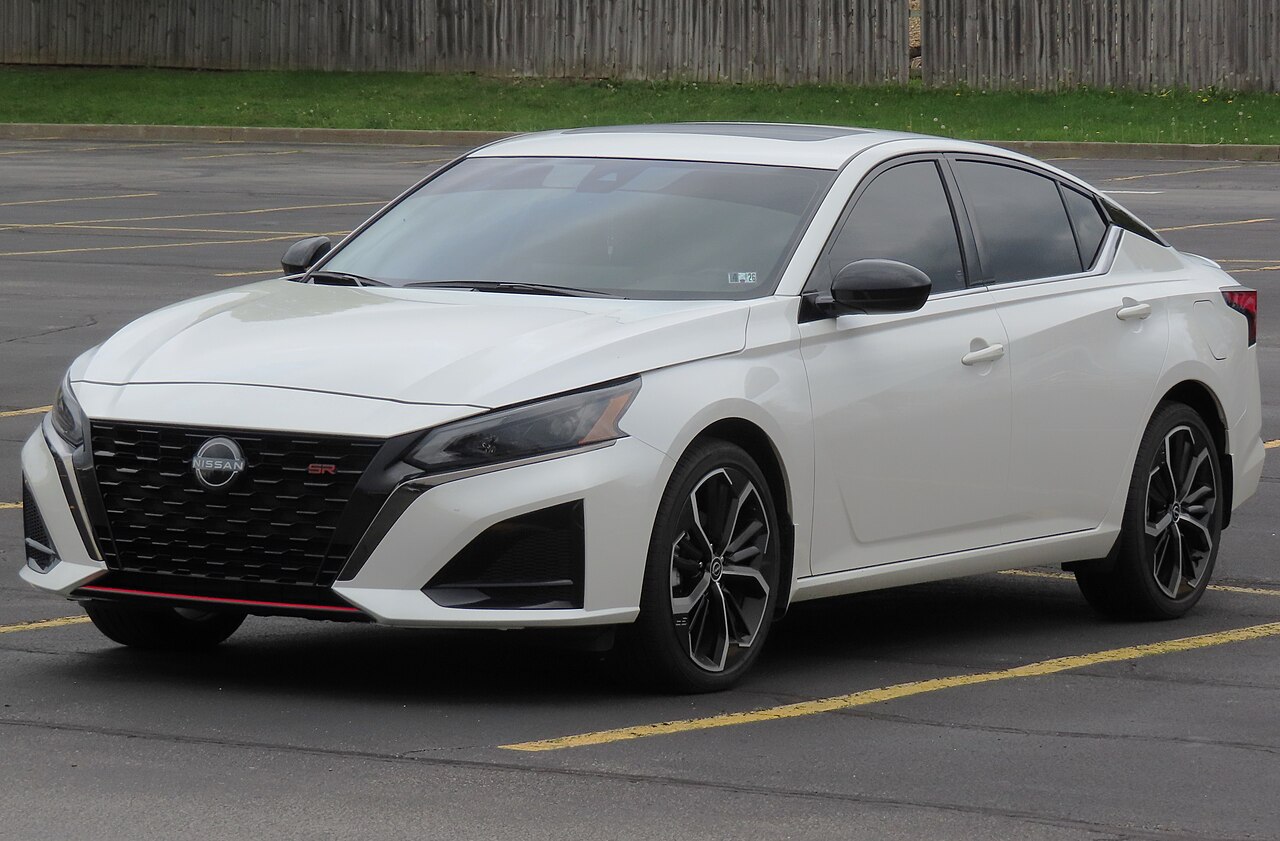
Nissan Altima
View Specifications
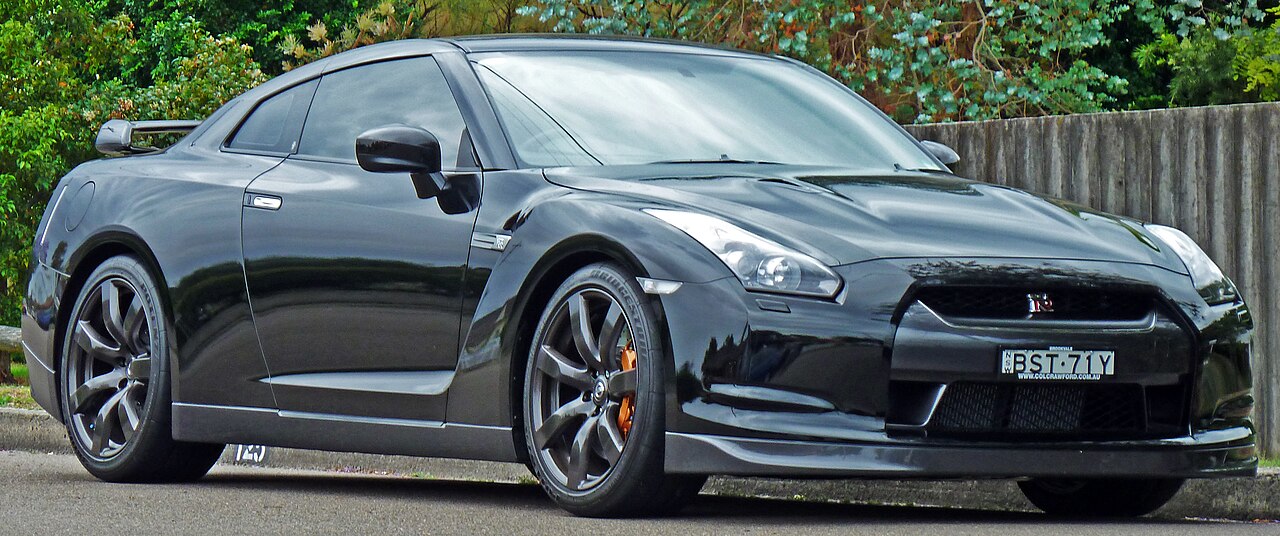
Nissan GT-R
View Specifications
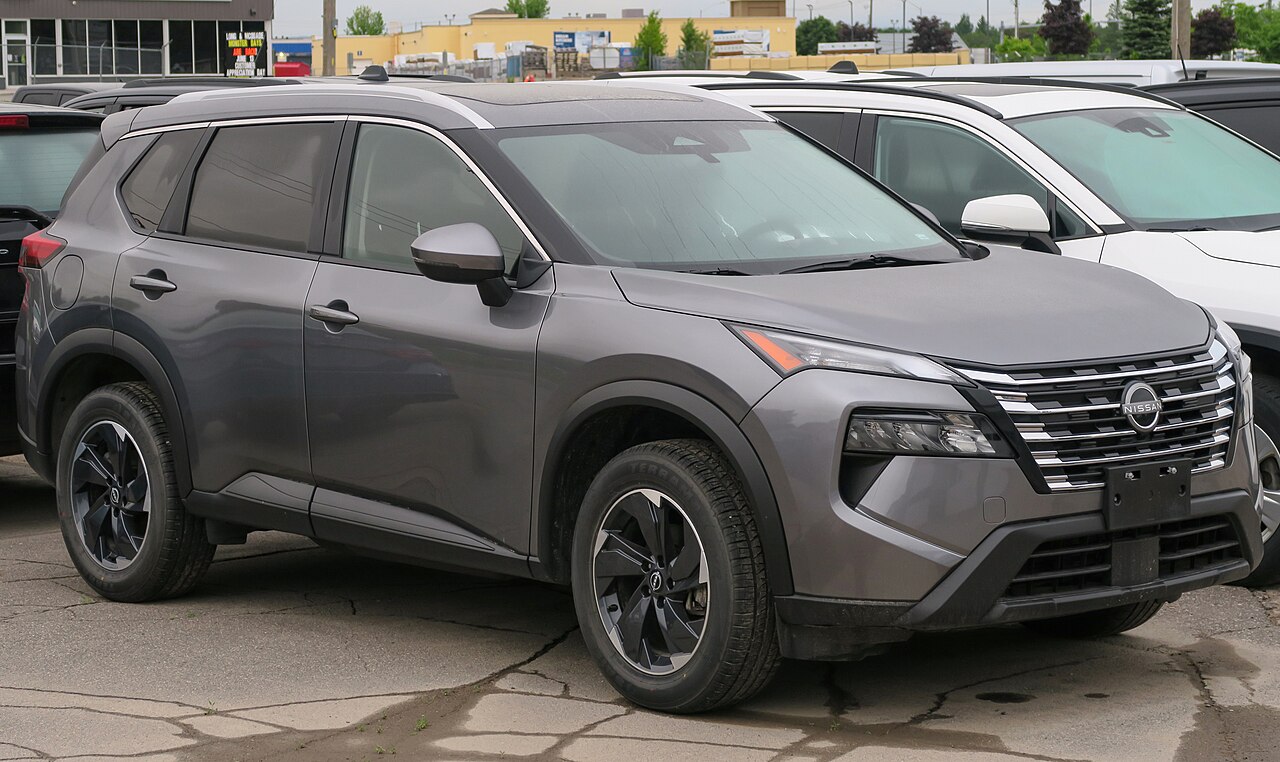
Nissan Rogue
View Specifications
02Comparative Analysis
Nissan Model Lineup Specification Matrix
Direct side-by-side engineering comparison across all active and indexed Nissan model series. Specifications reflect current generation factory configurations, official EPA fuel economy testing, and certified powertrain output.
| Model & Class | Active Gen / Code | Engine / Powertrain | Horsepower | EPA Combined | Drivetrain | Transmission | Spec Sheet |
|---|---|---|---|---|---|---|---|
| Nissan AltimaSedan | Altima VI (L34) | PR25DD, KR20DDET | 188–248 hp | 29–32 MPG | FWD | CVT | Specs |
| Nissan GT-RCoupe | GT-R R35 (R35) | VR38DETT, VR38DETT Nismo | 570–600 hp | 18 MPG | AWD | Dual-clutch | Specs |
| Nissan RogueSUV | Rogue III (T33) | PR25DD, KR15DDT | 181–201 hp | 30 MPG | FWD, AWD | CVT | Specs |
* EPA ratings are verified against federal testing database cycles (City / Highway / Combined). Individual real-world fuel economy varies with payload, tire compound, and thermal conditions.
03Chassis & Architecture
Nissan Modular Platform Engineering
Renault-Nissan CMF-C/D Platform
Modular front-wheel and intelligent all-wheel-drive platform engineered with high-tensile steel reinforcements and multi-link rear suspension.
Nissan Premium Midship (PM) Platform
Dedicated supercar architecture featuring front-mid mounted twin-turbo V6 and an independent rear-mounted transaxle with twin driveshafts.
04Internal Combustion & Electric
Nissan Powertrain Families & Thermal Efficiency
World's first production variable compression engine. Employs a multi-link harmonic actuator that continuously alters piston stroke height to vary compression ratios from 8.0:1 (performance) to 14.0:1 (efficiency).
Plasma-sprayed cylinder bores, secondary air injection, and individual turbochargers integrated into exhaust manifolds for instantaneous response.
05Security & Protection
Nissan Active Safety Suite & Factory Warranty Audit
Nissan Safety Shield 360 & ProPILOT Assist
The Nissan Rogue and Altima earn 5-Star Overall Safety Ratings from the NHTSA and Top Safety Pick honours from the IIHS.
Key Sensor & Driver Assistance Technologies:
- ProPILOT Assist with Navi-link adjusting speed automatically for upcoming curves and highway exits
- Automatic Emergency Braking with Pedestrian Detection
- Rear Automatic Braking (RAB) preventing parking lot collisions
- Blind Spot Warning and Rear Cross Traffic Alert
- Intelligent Around View Monitor with moving object detection
Factory Warranty Terms & Transfer Audit
5 Yrs / 60k Mi
Powertrain Limited
3 Yrs / 36k Mi
Bumper-to-Bumper
Nissan factory warranties are fully transferable to private second owners for the remainder of time and mileage without transfer paperwork or dealership fees.
* Coverage validated against official manufacturer customer service warranty bulletins. Electric battery packs carry standard 8-to-10-year high-voltage component warranties.
06Purchasing Guide
Nissan Buyer Decision Matrix
Nissan Rogue 1.5 VC-Turbo (AWD)
Class-leading torque from variable compression engine, up to 37 MPG highway, and ultra-comfortable Zero Gravity seating.
Nissan GT-R Premium / NISMO
Handcrafted twin-turbo V6, ATTESA E-TS all-wheel drive, and physics-defying cornering grip.
07Engineering Reference
Essential Technical Guides for Nissan Shoppers
17-Digit VIN Number Architecture & Decoding Guide
How to decode your Nissan's WMI origin code, plant location, engine designation, and check digit to audit safety recalls.
Transmission Types Compared: CVT vs DCT vs Torque-Converter
Detailed engineering analysis of Wet Dual-Clutch, stepped hydraulic automatics, and e-CVT planetary hybrid gearboxes.
AWD vs 4WD vs FWD vs RWD: Mechanical Principles Explained
Electro-hydraulic multi-plate clutches vs mechanical center differentials: torque vectoring and all-weather capability.
Engine Displacement Guide: Bore, Stroke & Swept Volume
How cylinder volumetric capacity, compression ratios, and thermal efficiency dictate real-world power and emissions.
EPA Fuel Economy Explained: City, Highway & Combined MPG
Understanding official federal dynamometer test schedules and how the harmonic average combined MPG formula is calculated.
Turbocharged vs Naturally Aspirated Engines
Exhaust turbine boost dynamics, charge-air intercooling, low-RPM torque curves, and long-term maintenance differences.
08Chassis Registry
Nissan Generation History & Chassis Codes
09Owner & Buyer Inquiries
Nissan: Essential Technical & Ownership Questions
How does Nissan's VC-Turbo variable compression engine work?
Unlike traditional internal combustion engines with fixed piston strokes, Nissan's VC-Turbo uses a multi-link mechanism connected to an electric harmonic harmonic drive motor. When high power is demanded, the actuator shifts the multi-link lower control arm, lowering the piston's top-dead-center (TDC) position to establish an 8.0:1 compression ratio, allowing high turbo boost without engine knock. When cruising, it raises the piston height to achieve a 14.0:1 compression ratio for maximum thermal fuel efficiency.