
Tesla
Founded in July 2003 by Martin Eberhard and Marc Tarpenning, and led since 2004 by Elon Musk, Tesla, Inc. catalyzed the global automotive industry's historic transition toward sustainable electric mobility. Starting with the low-volume, Lotus Elise-based Roadster in 2008, Tesla proved that electric vehicles could deliver supercar acceleration, long-range utility, and desirable aesthetics without emissions compromises.
Tesla redefined vehicle production through its structural battery pack designs, monolithic high-pressure aluminum front and rear 'Megacastings', and vertically integrated software architecture. Bypassing traditional dealership networks and annual model year facelifts, Tesla continuously updates powertrain calibration, thermal management, and active safety systems via over-the-air (OTA) software broadcasts.
Supported by the world's most extensive high-speed direct-current charging infrastructure—the Tesla Supercharger Network—the company's Model Y crossover became the world's best-selling passenger vehicle across all propulsion types in 2023.
2012–2026
Indexed Era
4 Model Series
Sedan, Liftback, SUV
2 Architecture Families
Unibody & Skateboard
Tesla Autopilot & Full Self-Driving (Hardware 4)
Standard Radar/Camera ADAS
8-Yr / 120,000 Mi
Factory Coverage
014 model lines
Tesla Vehicle Lineup & Spec Sheets
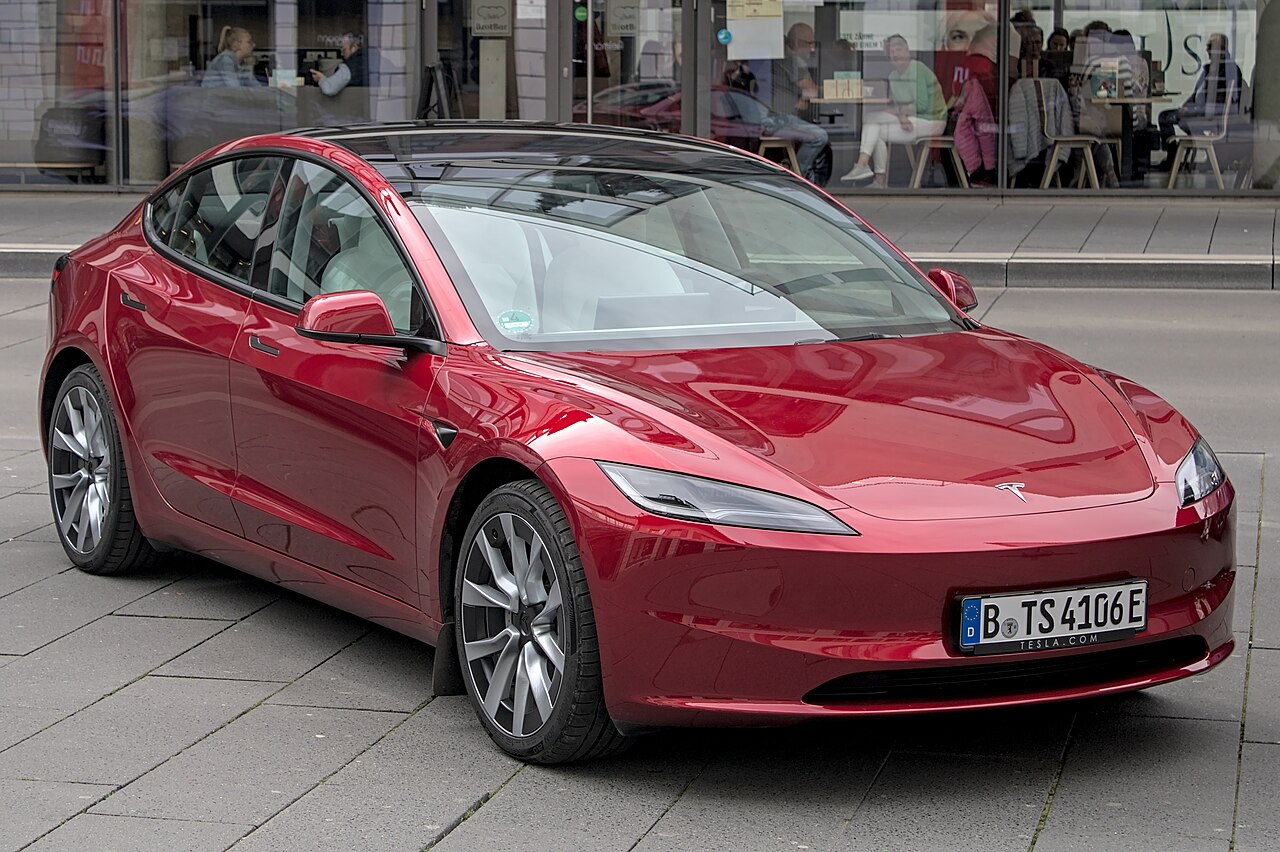
Tesla Model 3
View Specifications
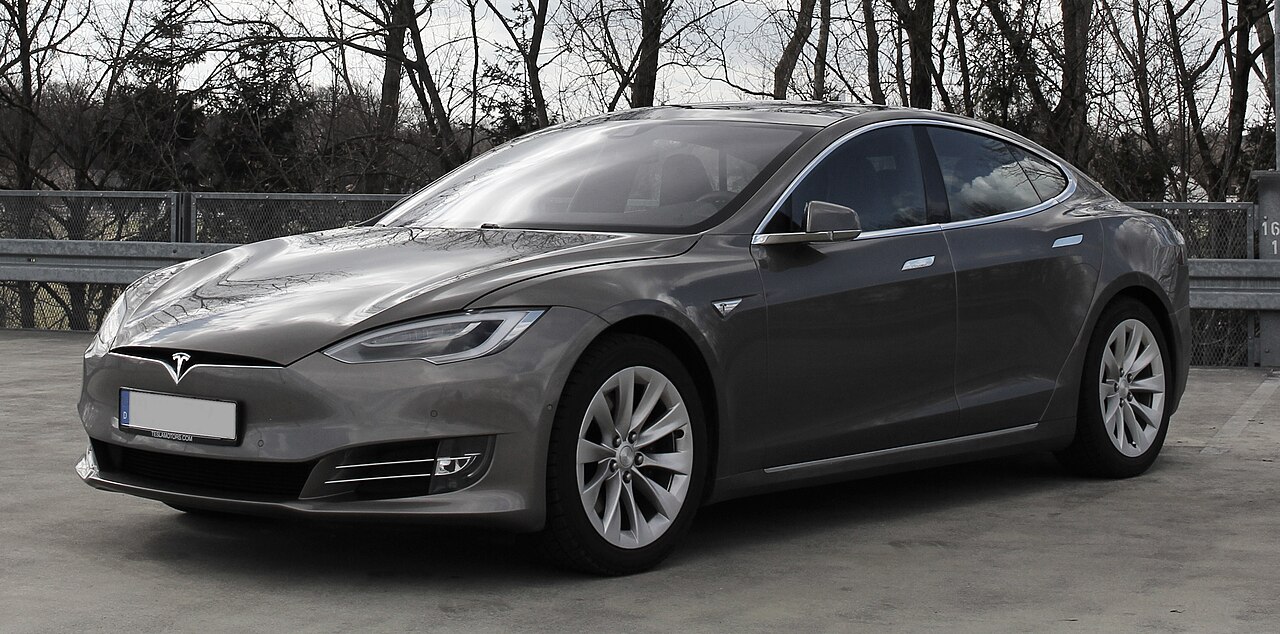
Tesla Model S
View Specifications
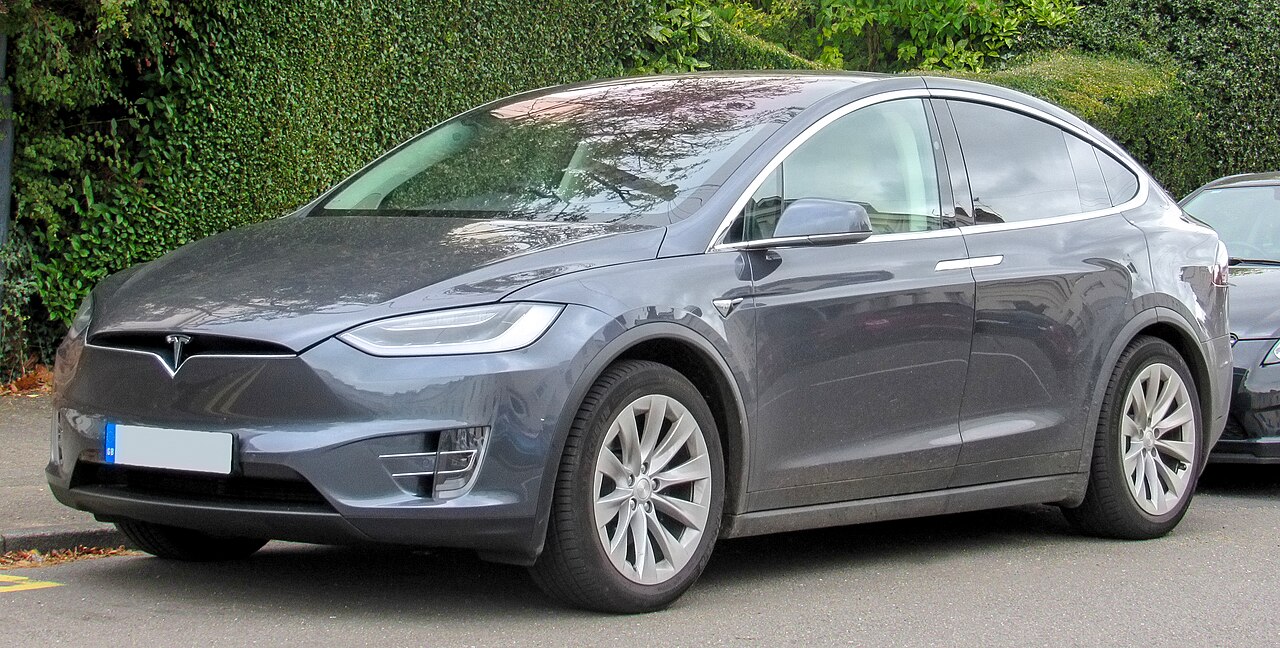
Tesla Model X
View Specifications
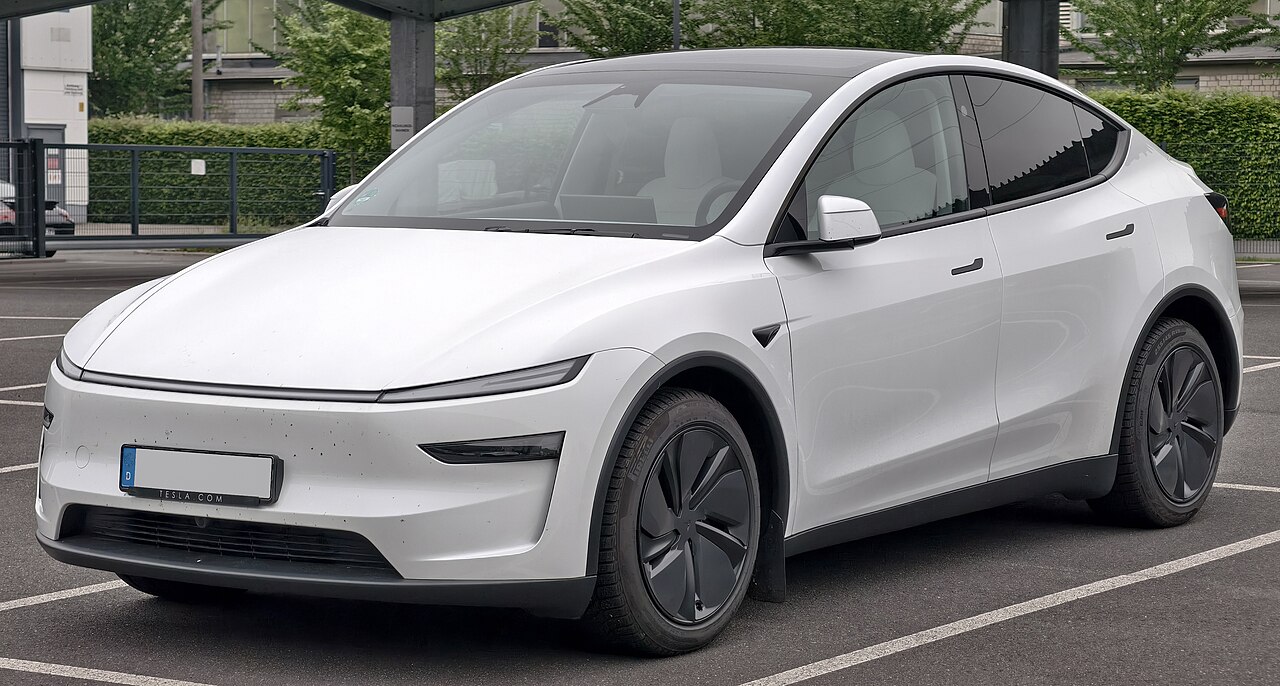
Tesla Model Y
View Specifications
02Comparative Analysis
Tesla Model Lineup Specification Matrix
Direct side-by-side engineering comparison across all active and indexed Tesla model series. Specifications reflect current generation factory configurations, official EPA fuel economy testing, and certified powertrain output.
| Model & Class | Active Gen / Code | Engine / Powertrain | Horsepower | EPA Combined | Drivetrain | Transmission | Spec Sheet |
|---|---|---|---|---|---|---|---|
| Tesla Model 3Sedan | Model 3 Highland (2024+) | 3D1 e-motor, 3D1+3D3 e-motors, 3D1+4D2 e-motors | 283–513 hp | N/A | RWD, AWD | Single-speed | Specs |
| Tesla Model SLiftback | Model S Palladium (2021+) | Dual motor, Tri motor | 670–1020 hp | N/A | AWD | Single-speed | Specs |
| Tesla Model XSUV | Model X (Palladium Refresh) (Palladium) | Permanent Magnet + Induction, Tri-Motor Carbon-Sleeve | 670–1020 hp | 91–102 MPG | AWD | Single-Speed Automatic | Specs |
| Tesla Model YSUV | Model Y (2020+) | 3D7 e-motor, Dual motor | 295–514 hp | N/A | RWD, AWD | Single-speed | Specs |
* EPA ratings are verified against federal testing database cycles (City / Highway / Combined). Individual real-world fuel economy varies with payload, tire compound, and thermal conditions.
03Chassis & Architecture
Tesla Modular Platform Engineering
Tesla Structural Skateboard Architecture
Floor-mounted lithium-ion/LFP battery pack serving as a stressed structural chassis member, bonded between single-piece front and rear high-pressure aluminum die castings to eliminate hundreds of individual stamped components.
Tesla Flagship Architecture
Dual and tri-motor longitudinal platform featuring carbon-sleeved rotor technology, adaptive air suspension, and 100 kWh battery enclosure.
04Internal Combustion & Electric
Tesla Powertrain Families & Thermal Efficiency
Silicon carbide (SiC) inverters deliver 97%+ electrical motor efficiency, enabling 310–341 miles of EPA-certified driving range on a single charge.
Carbon-fiber sleeves maintain electromagnetic rotor integrity up to 23,308 RPM, delivering sustained acceleration past 200 mph with zero thermal throttling.
05Security & Protection
Tesla Active Safety Suite & Factory Warranty Audit
Tesla Autopilot & Full Self-Driving (Hardware 4)
Every Tesla model tested has recorded the lowest probability of passenger injury ever measured by the NHTSA, anchored by an ultra-low center of gravity and massive crumple zones devoid of engine blocks.
Key Sensor & Driver Assistance Technologies:
- Tesla Vision pure-optical camera perception processing 360-degree video at 36 fps
- Automatic Emergency Braking with pedestrian and vehicle trajectory modeling
- Blind Spot Collision Warning Chime and live turn-signal side camera display
- Obstacle-Aware Acceleration preventing pedal misapplication in parking lots
- Cabin Overheat Protection maintaining safe interior cabin temperatures for pets and passengers
Factory Warranty Terms & Transfer Audit
8 Yrs / 120k Mi
Powertrain Limited
4 Yrs / 50k Mi
Bumper-to-Bumper
Tesla's 8-year/120,000-mile (Model 3/Y Long Range) or 8-year/150,000-mile (Model S) Battery and Drive Unit Limited Warranty transfers automatically to subsequent owners with a minimum 70% retention guarantee.
* Coverage validated against official manufacturer customer service warranty bulletins. Electric battery packs carry standard 8-to-10-year high-voltage component warranties.
06Purchasing Guide
Tesla Buyer Decision Matrix
Tesla Model 3 Long Range AWD
Unrivaled energy efficiency (over 130 MPGe), 341 miles of EPA range, whisper-quiet double-paned acoustic glass, and rapid charging.
Tesla Model Y Long Range AWD
Commanding seating position, 76 cubic feet of total cargo capacity including front trunk, and seamless Supercharger road trip integration.
07Engineering Reference
Essential Technical Guides for Tesla Shoppers
17-Digit VIN Number Architecture & Decoding Guide
How to decode your Tesla's WMI origin code, plant location, engine designation, and check digit to audit safety recalls.
Transmission Types Compared: CVT vs DCT vs Torque-Converter
Detailed engineering analysis of Wet Dual-Clutch, stepped hydraulic automatics, and e-CVT planetary hybrid gearboxes.
AWD vs 4WD vs FWD vs RWD: Mechanical Principles Explained
Electro-hydraulic multi-plate clutches vs mechanical center differentials: torque vectoring and all-weather capability.
Engine Displacement Guide: Bore, Stroke & Swept Volume
How cylinder volumetric capacity, compression ratios, and thermal efficiency dictate real-world power and emissions.
EPA Fuel Economy Explained: City, Highway & Combined MPG
Understanding official federal dynamometer test schedules and how the harmonic average combined MPG formula is calculated.
Turbocharged vs Naturally Aspirated Engines
Exhaust turbine boost dynamics, charge-air intercooling, low-RPM torque curves, and long-term maintenance differences.
08Chassis Registry
Tesla Generation History & Chassis Codes
09Owner & Buyer Inquiries
Tesla: Essential Technical & Ownership Questions
How does Tesla battery degradation work and what does the warranty cover?
Tesla guarantees that high-voltage battery packs will retain at least 70% of original capacity over the 8-year warranty period (up to 100,000 to 150,000 miles depending on trim). Real-world fleet analytics indicate that Tesla battery packs degrade by an average of just 12% to 15% after 200,000 miles, aided by liquid glycol thermal cooling circuits and intelligent BMS balancing.