
Ford
Founded in 1903 by Henry Ford, the Ford Motor Company revolutionized global manufacturing by introducing the moving automotive assembly line in 1913 with the Model T. For over a century, Ford has anchored American commercial, agricultural, and enthusiast motoring. The Ford F-Series pickup truck has held the title of America's best-selling vehicle for over 45 consecutive years, while the Ford Mustang—introduced at the 1964 New York World's Fair—remains the quintessential American pony car icon.
Headquartered in Dearborn, Michigan, Ford operates through specialized global divisions: Ford Blue (combustion and hybrid), Ford Model e (electric vehicle development), and Ford Pro (commercial fleet and transit solutions). Its engineering repertoire includes military-grade aluminum-alloy body construction, high-output EcoBoost twin-turbo engines, and the legendary 5.0L Coyote V8.
Modern Ford vehicles pair high-strength boxed steel chassis with heavy-duty 10-speed automatic transmissions co-developed with General Motors, providing immense payload capacity, off-road durability, and competitive fuel economy.
1948–2026
Indexed Era
4 Model Series
SUV, Truck, Hatchback, Coupe
2 Architecture Families
Unibody & Skateboard
Ford Co-Pilot360
Standard Radar/Camera ADAS
5-Yr / 60,000 Mi
Factory Coverage
014 model lines
Ford Vehicle Lineup & Spec Sheets
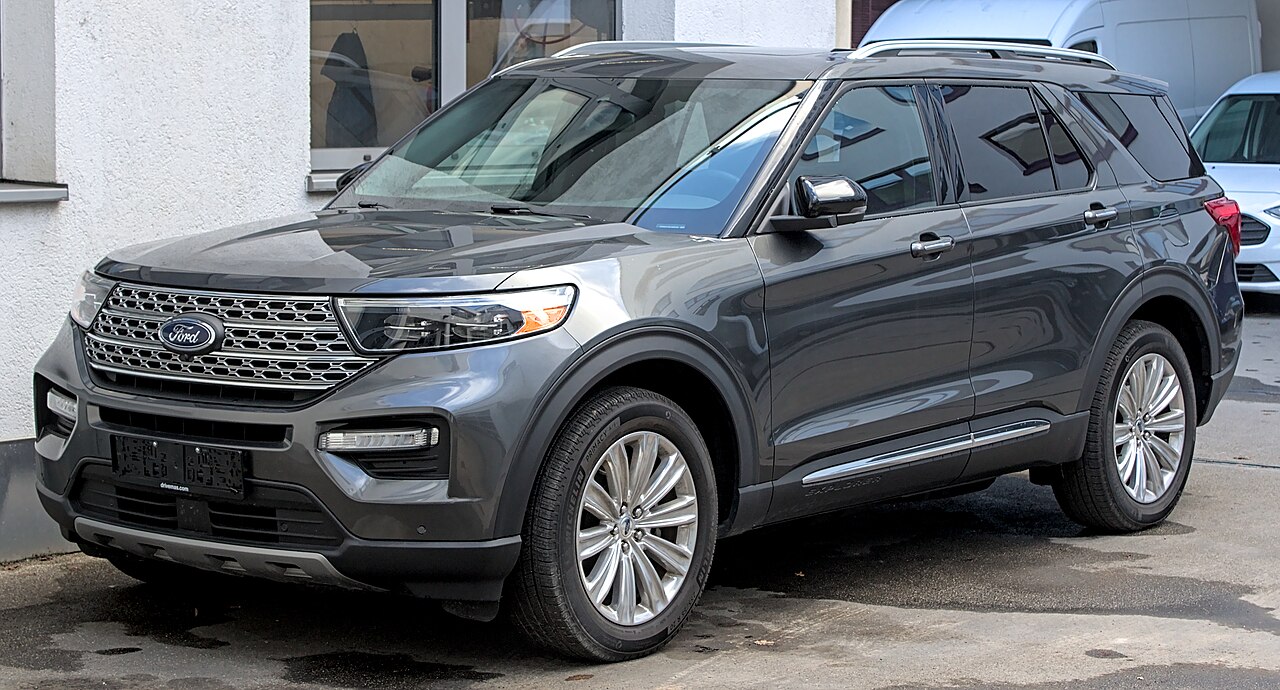
Ford Explorer
View Specifications
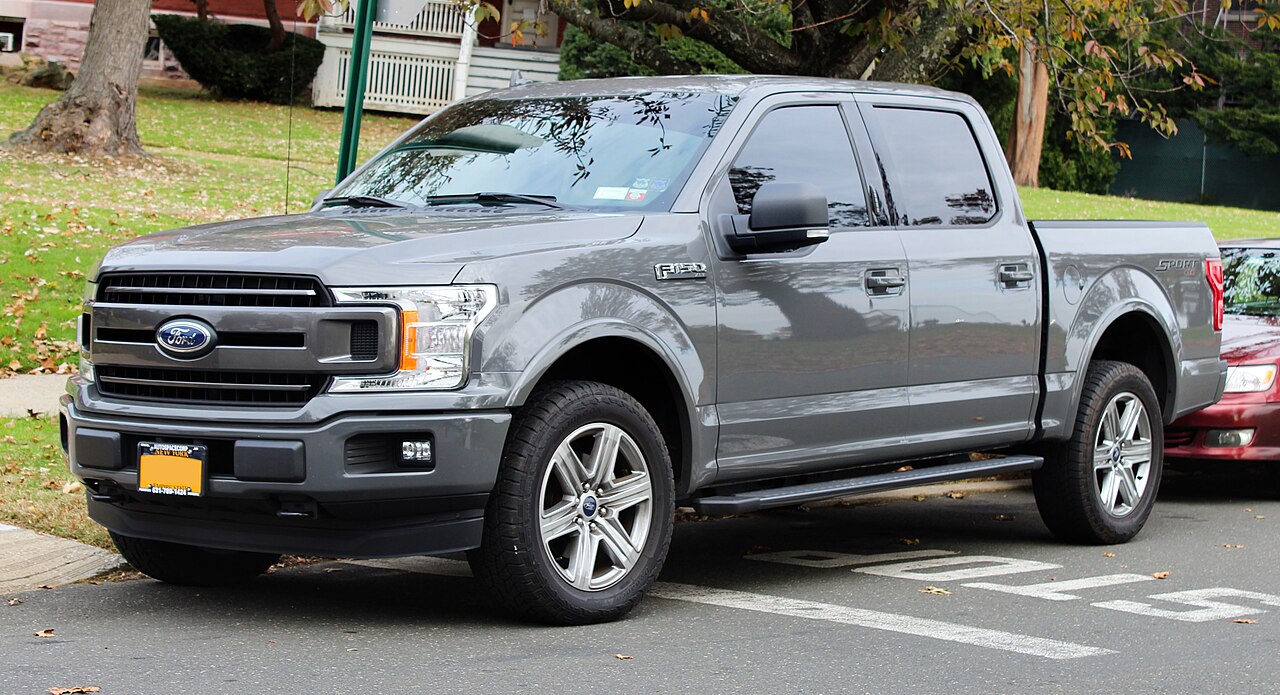
Ford F-150
View Specifications
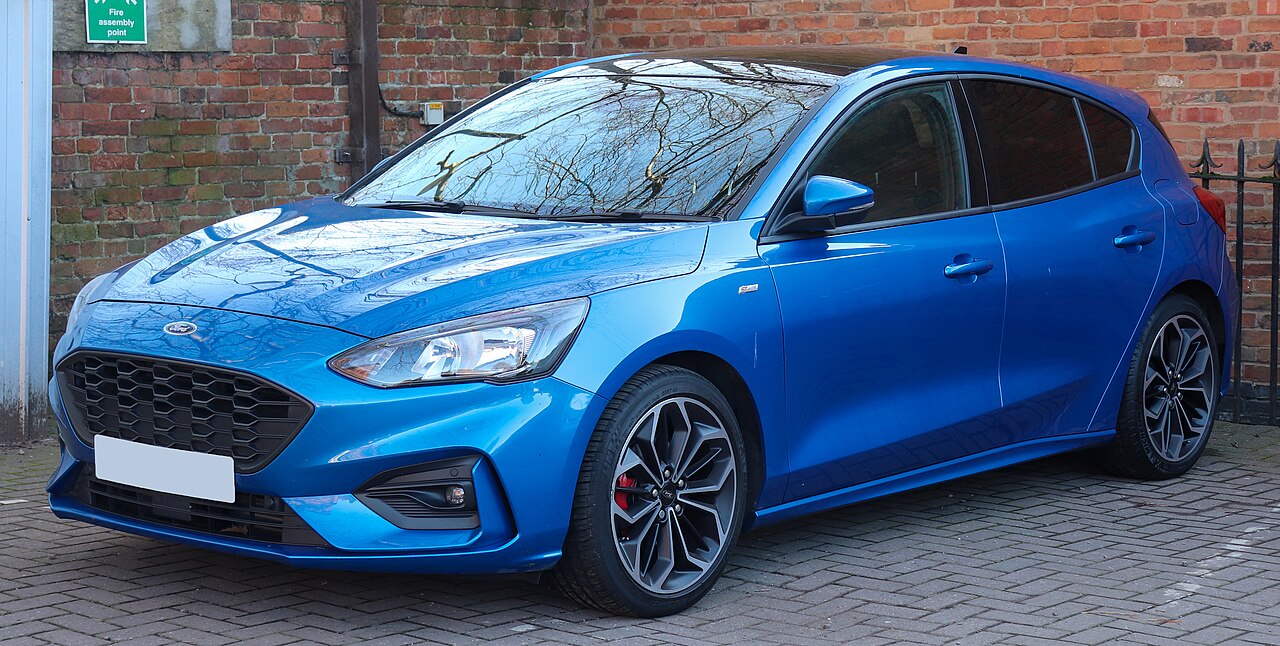
Ford Focus
View Specifications
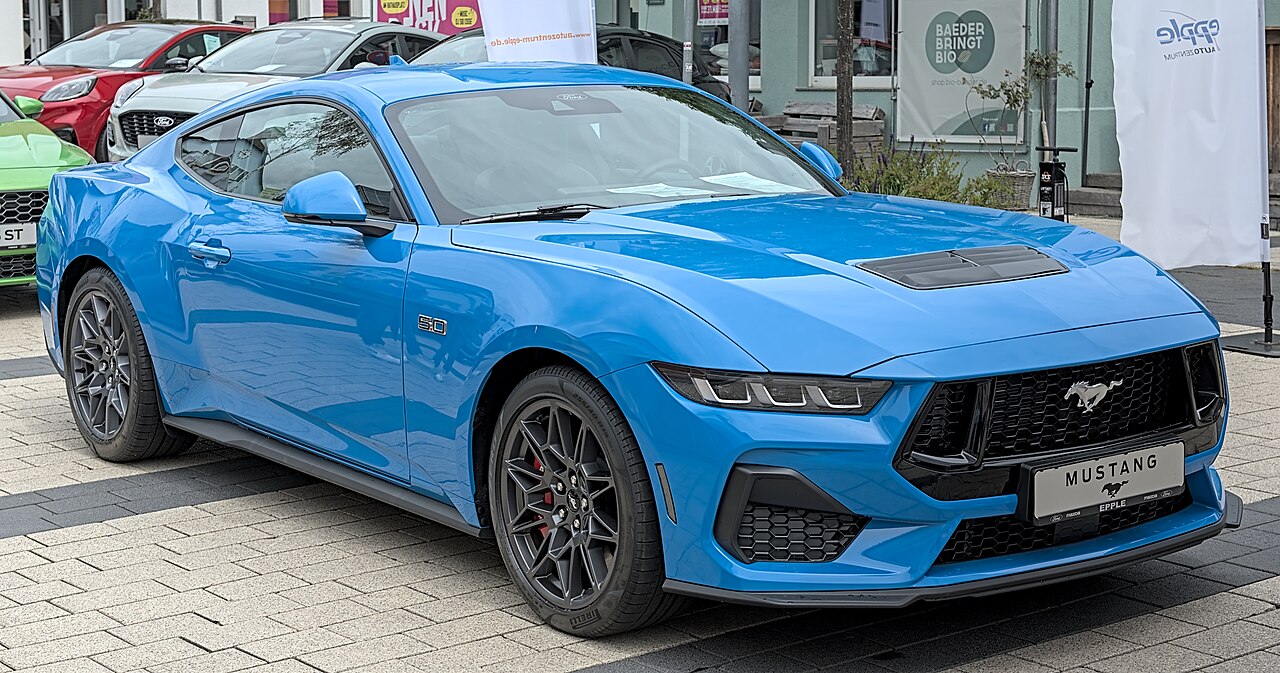
Ford Mustang
View Specifications
02Comparative Analysis
Ford Model Lineup Specification Matrix
Direct side-by-side engineering comparison across all active and indexed Ford model series. Specifications reflect current generation factory configurations, official EPA fuel economy testing, and certified powertrain output.
| Model & Class | Active Gen / Code | Engine / Powertrain | Horsepower | EPA Combined | Drivetrain | Transmission | Spec Sheet |
|---|---|---|---|---|---|---|---|
| Ford ExplorerSUV | Explorer VI (U625) (U625) | EcoBoost 2.3 Twin-Scroll, Cyclone 3.3 MHT HEV, EcoBoost 3.0 Twin-Turbo | 300–400 hp | 20–25 MPG | AWD | 10-Speed Automatic / 10-Speed Modular Hybrid / 10-Speed SelectShift Automatic | Specs |
| Ford F-150Truck | F-150 XIV (P702) | Nano, Coyote, EcoBoost HEV | 325–430 hp | 19–23 MPG | RWD, 4WD | Automatic | Specs |
| Ford FocusHatchback | Focus IV (C519) | Fox, Dragon, HPP | 125–280 hp | 30–46 MPG | FWD | Manual / Automatic | Specs |
| Ford MustangCoupe | Mustang VII (S650) | HPP, Coyote Gen4, Coyote DH | 315–500 hp | 17–24 MPG | RWD | Automatic / Manual | Specs |
* EPA ratings are verified against federal testing database cycles (City / Highway / Combined). Individual real-world fuel economy varies with payload, tire compound, and thermal conditions.
03Chassis & Architecture
Ford Modular Platform Engineering
Ford F-Series Boxed Frame Architecture
Fully boxed high-strength steel ladder frame paired with high-strength military-grade aluminum-alloy body panels, reducing gross vehicle weight by up to 700 lbs to maximize payload and towing thresholds.
Ford S550 / S650 Platform
Dedicated rear-wheel-drive sports coupe architecture with double-ball-joint front MacPherson struts and integral-link independent rear suspension.
04Internal Combustion & Electric
Ford Powertrain Families & Thermal Efficiency
Features dual throttle bodies, high-pressure direct and low-pressure port fuel injection, and a screaming 7,500 RPM redline.
Delivers immense low-RPM torque for heavy hauling, enabling maximum F-150 towing ratings of up to 14,000 lbs.
05Security & Protection
Ford Active Safety Suite & Factory Warranty Audit
Ford Co-Pilot360
The Ford F-150, Explorer, and Mustang score 5-Star Overall Safety Ratings from the NHTSA.
Key Sensor & Driver Assistance Technologies:
- Pre-Collision Assist with Automatic Emergency Braking (AEB) and Pedestrian Detection
- BLIS (Blind Spot Information System) with Cross-Traffic Alert and trailer coverage
- Ford BlueCruise hands-free highway driving on over 130,000 miles of North American highways
- Pro Trailer Backup Assist allowing intuitive trailer steering via an in-dash control knob
Factory Warranty Terms & Transfer Audit
5 Yrs / 60k Mi
Powertrain Limited
3 Yrs / 36k Mi
Bumper-to-Bumper
Ford factory warranties are fully transferable to subsequent owners at zero charge for the duration of the time and mileage window.
* Coverage validated against official manufacturer customer service warranty bulletins. Electric battery packs carry standard 8-to-10-year high-voltage component warranties.
06Purchasing Guide
Ford Buyer Decision Matrix
Ford F-150 (3.5L EcoBoost or PowerBoost Hybrid)
Unrivaled 14,000 lbs towing capacity, onboard Pro Power Onboard generator, and comfortable interior workspace.
Ford Mustang GT (5.0L V8)
High-revving 480-hp naturally aspirated V8 note, available 6-speed manual with rev-matching, and iconic styling.
07Engineering Reference
Essential Technical Guides for Ford Shoppers
17-Digit VIN Number Architecture & Decoding Guide
How to decode your Ford's WMI origin code, plant location, engine designation, and check digit to audit safety recalls.
Transmission Types Compared: CVT vs DCT vs Torque-Converter
Detailed engineering analysis of Wet Dual-Clutch, stepped hydraulic automatics, and e-CVT planetary hybrid gearboxes.
AWD vs 4WD vs FWD vs RWD: Mechanical Principles Explained
Electro-hydraulic multi-plate clutches vs mechanical center differentials: torque vectoring and all-weather capability.
Engine Displacement Guide: Bore, Stroke & Swept Volume
How cylinder volumetric capacity, compression ratios, and thermal efficiency dictate real-world power and emissions.
EPA Fuel Economy Explained: City, Highway & Combined MPG
Understanding official federal dynamometer test schedules and how the harmonic average combined MPG formula is calculated.
Turbocharged vs Naturally Aspirated Engines
Exhaust turbine boost dynamics, charge-air intercooling, low-RPM torque curves, and long-term maintenance differences.
08Chassis Registry
Ford Generation History & Chassis Codes
09Owner & Buyer Inquiries
Ford: Essential Technical & Ownership Questions
What makes the Ford F-150 aluminum body different from traditional steel?
Beginning with the thirteenth generation (2015), Ford replaced the traditional steel cab and bed of the F-150 with high-strength, military-grade aluminum alloy panels mounted on a fully boxed steel frame. This reduced vehicle weight by approximately 700 lbs (317 kg). The weight savings were reinvested into thicker frame rails, larger brake assemblies, and higher payload and towing ratings, while completely eliminating body panel rust.