
Hyundai
Established in 1967 by Chung Ju-yung, Hyundai Motor Company has transformed from an early contract assembler into the world's third-largest automotive manufacturing group. Hyundai entered North America in 1986 with the subcompact Excel, initially competing strictly on aggressive pricing. However, a decisive corporate pivot in 1999 instituted the historic 10-year/100,000-mile 'America's Best Warranty' program alongside sweeping metallurgical, robotic, and powertrain quality overhauls.
In the contemporary era, Hyundai leads mass-market automotive engineering through its 'Sensuous Sportiness' design vernacular, characterized by parametric jewel daytime running lights, aerodynamic geometric creases, and minimalist open-concept interior cabins. The brand spans high-efficiency sedans (Elantra, Sonata), an exhaustive crossover matrix (Venue, Kona, Tucson, Santa Fe, Palisade), and high-performance enthusiast divisions (Hyundai N).
Sharing high-output Smartstream engines, multi-terrain HTRAC all-wheel drive, and ultra-fast 800V E-GMP architecture with affiliate Kia, Hyundai distinguishes itself through softer suspension compliance, specialized sound insulation, and class-exclusive driver amenities like Remote Smart Parking Assist.
1985–2026
Indexed Era
6 Model Series
Sedan, SUV
3 Architecture Families
Unibody & Skateboard
Hyundai SmartSense
Standard Radar/Camera ADAS
10-Yr / 100,000 Mi
Factory Coverage
016 model lines
Hyundai Vehicle Lineup & Spec Sheets
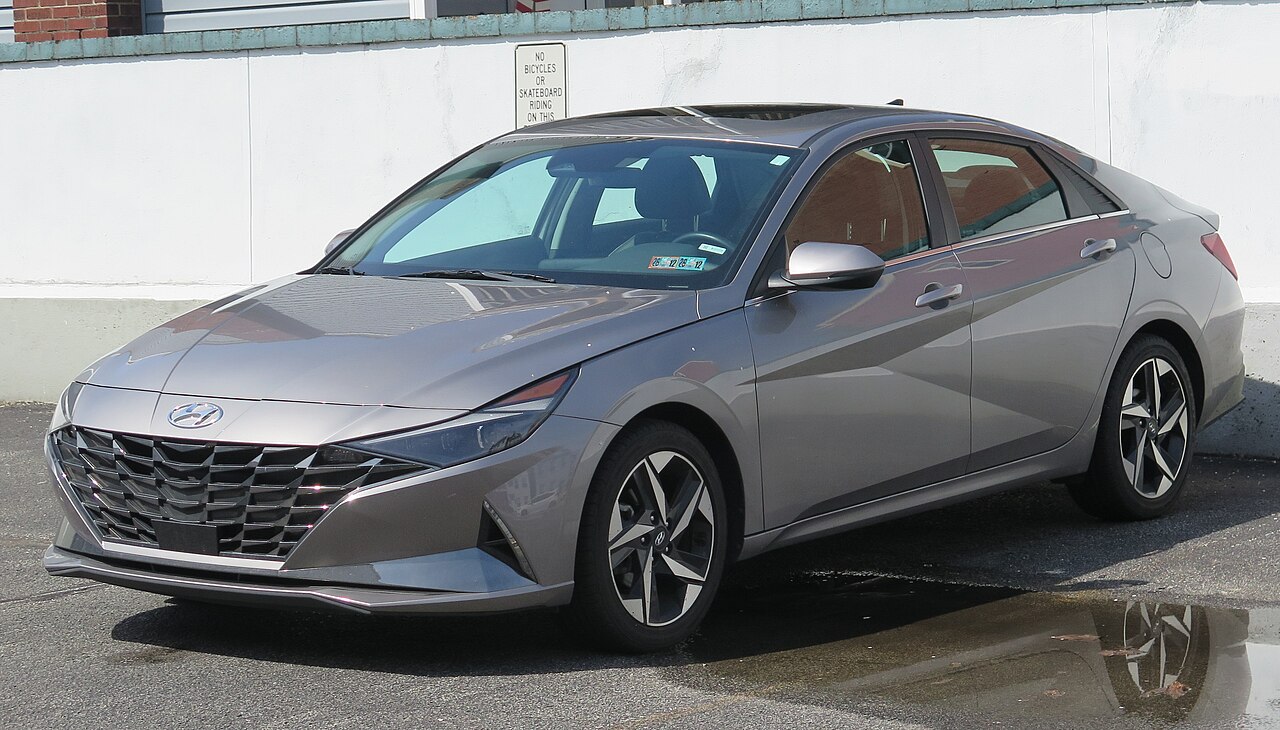
Hyundai Elantra
View Specifications
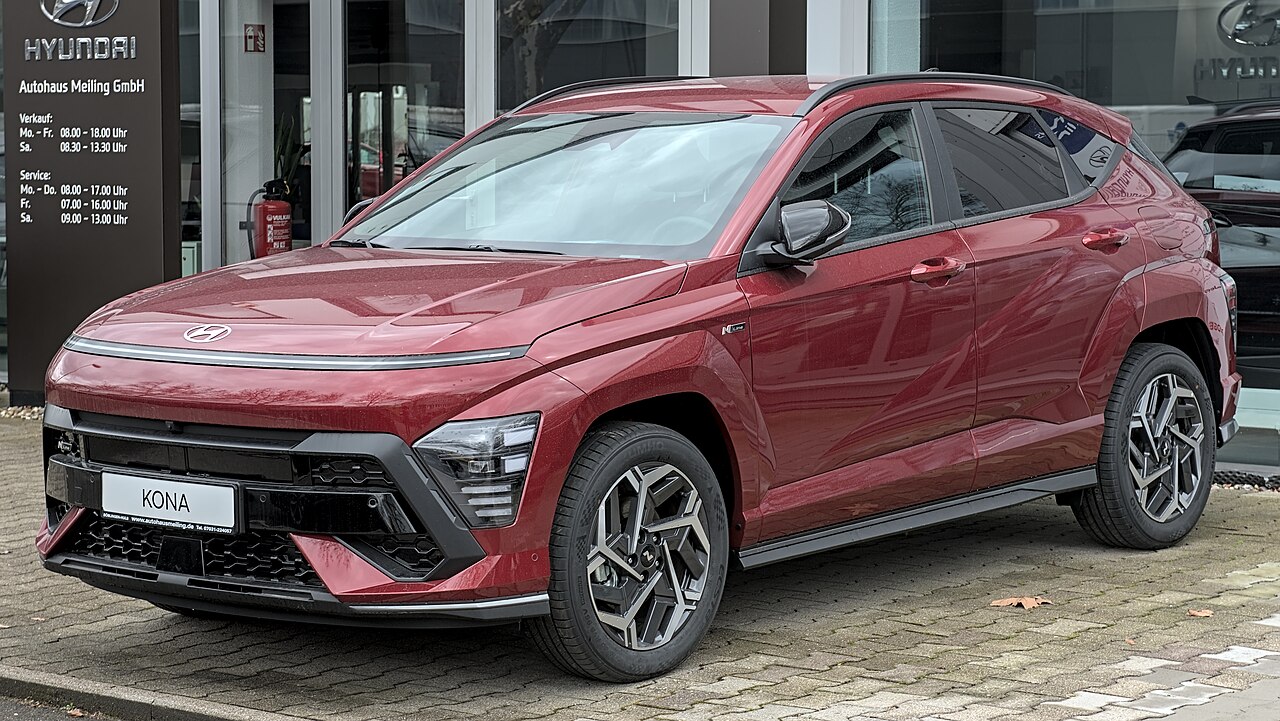
Hyundai Kona
View Specifications
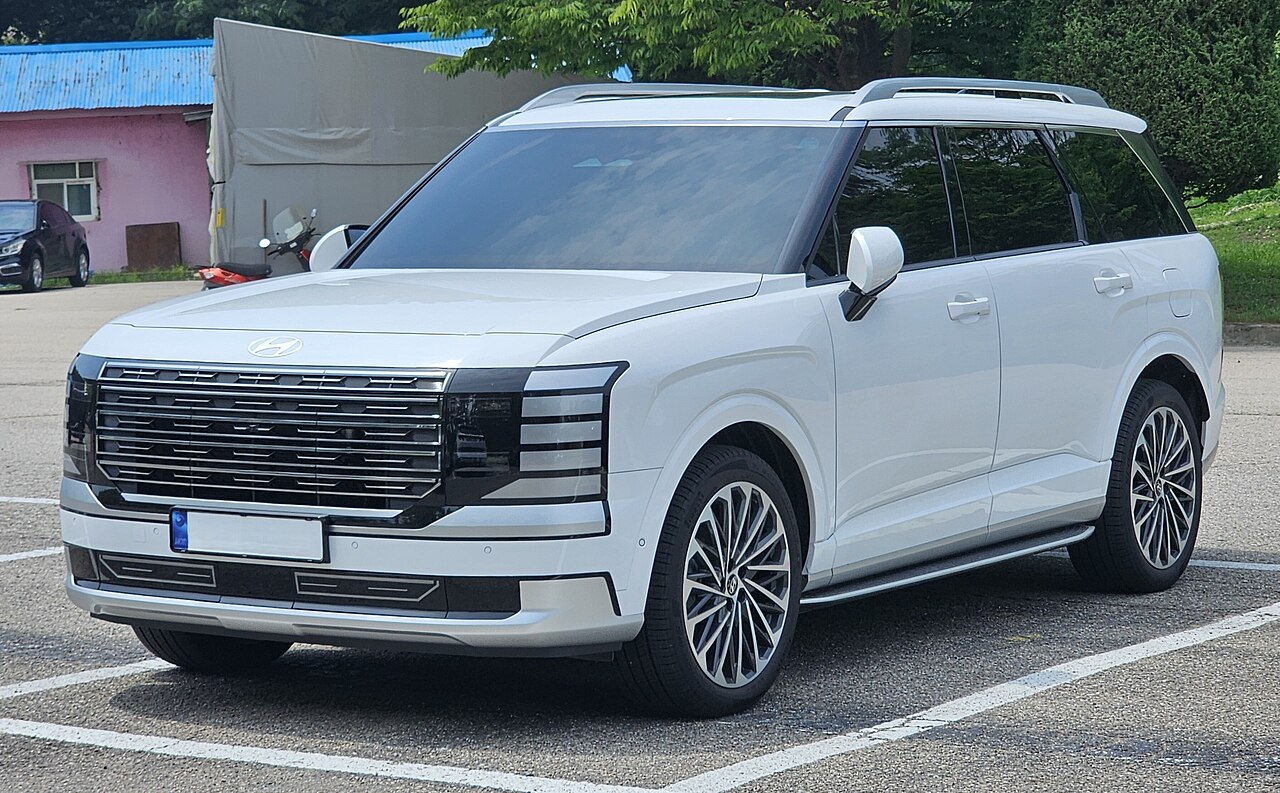
Hyundai Palisade
View Specifications
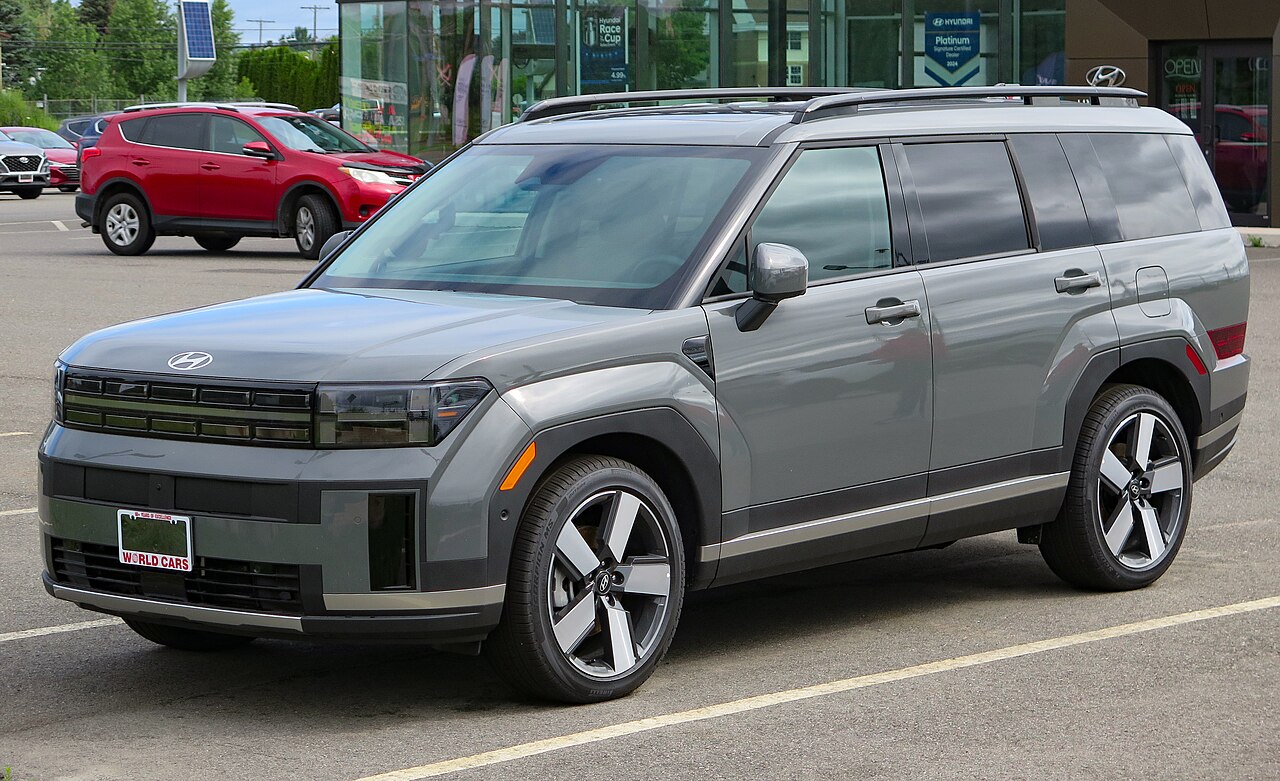
Hyundai Santa Fe
View Specifications
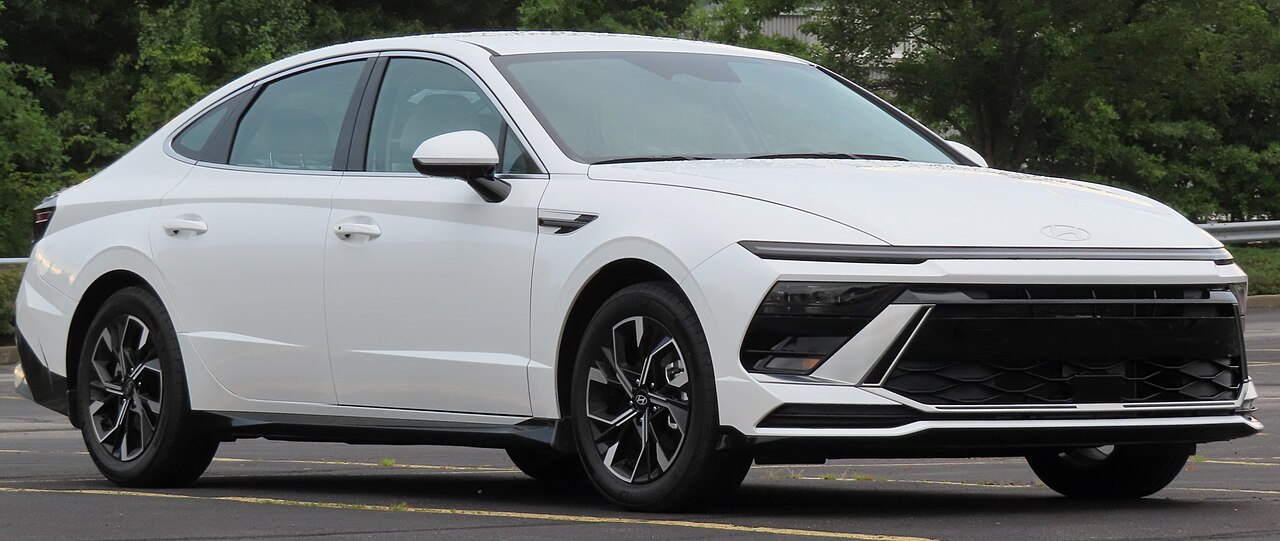
Hyundai Sonata
View Specifications
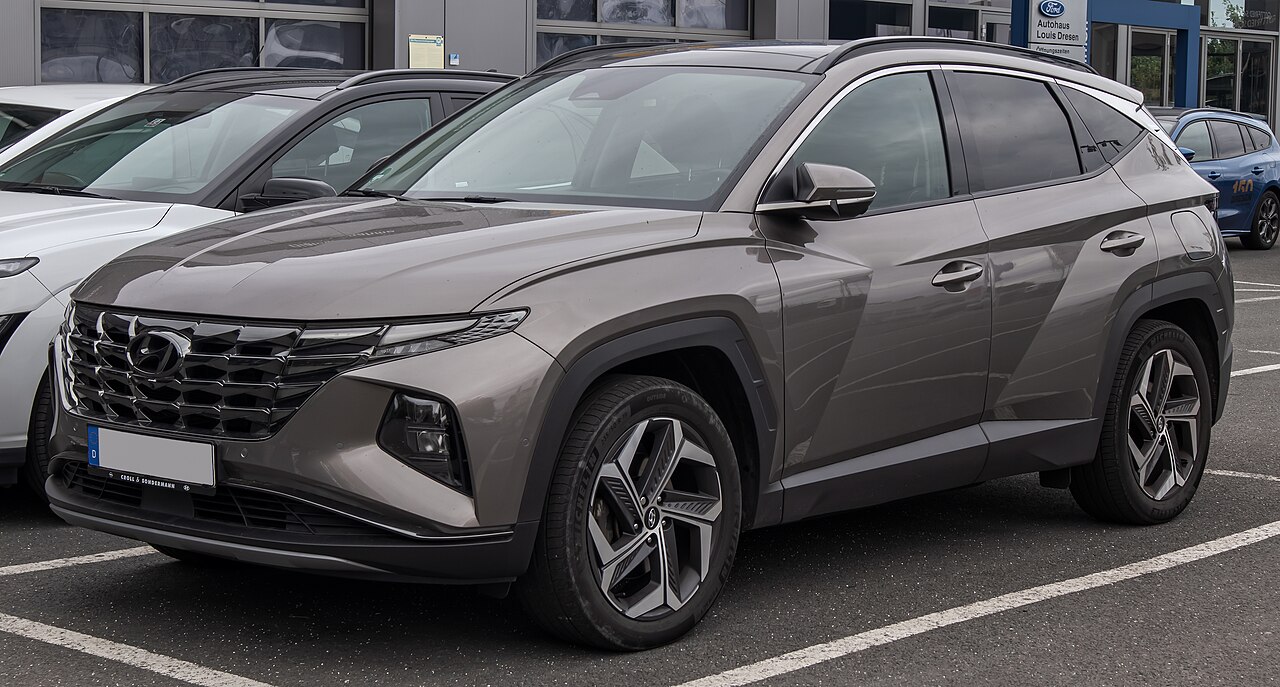
Hyundai Tucson
View Specifications
02Comparative Analysis
Hyundai Model Lineup Specification Matrix
Direct side-by-side engineering comparison across all active and indexed Hyundai model series. Specifications reflect current generation factory configurations, official EPA fuel economy testing, and certified powertrain output.
| Model & Class | Active Gen / Code | Engine / Powertrain | Horsepower | EPA Combined | Drivetrain | Transmission | Spec Sheet |
|---|---|---|---|---|---|---|---|
| Hyundai ElantraSedan | Elantra VII (CN7) | Smartstream G2.0, Smartstream G1.6, Theta II | 147–276 hp | 23–35 MPG | FWD | CVT / Dual-clutch | Specs |
| Hyundai KonaSUV | 2nd Generation (SX2) (SX2) | Smartstream G2.0, Smartstream G1.6T, Permanent Magnet Synchronous | 147–201 hp | 26–116 MPG | FWD, AWD | Smartstream IVT / 8-Speed Automatic / Single-Speed | Specs |
| Hyundai PalisadeSUV | Palisade I Facelift (LX2 PE) (LX2-PE) | Lambda II G6DN Luxury, Lambda II G6DN Rugged, Lambda II G6DN | 291 hp | 21–22 MPG | AWD, FWD | 8-Speed Automatic | Specs |
| Hyundai Santa FeSUV | 5th Generation (MX5) (MX5) | Smartstream G1.6T HEV, Smartstream G2.5T | 231–277 hp | 23–34 MPG | AWD | 6-Speed Automatic / 8-Speed Wet DCT | Specs |
| Hyundai SonataSedan | Sonata VIII (DN8) | Smartstream G2.5, Smartstream G2.5T | 191–290 hp | 27–32 MPG | FWD | Automatic / Dual-clutch | Specs |
| Hyundai TucsonSUV | Tucson IV (NX4) | Smartstream G1.6, Smartstream G2.5, Smartstream HEV | 180–230 hp | 29–37 MPG | FWD, AWD | Dual-clutch / Automatic | Specs |
* EPA ratings are verified against federal testing database cycles (City / Highway / Combined). Individual real-world fuel economy varies with payload, tire compound, and thermal conditions.
03Chassis & Architecture
Hyundai Modular Platform Engineering
Hyundai-Kia N3 Platform
Modular architecture engineered with ultra-high-tensile steel hot stamping. Delivers superior low center-of-gravity handling, crash dispersion, and packaging flexibility across gasoline, hybrid, and plug-in hybrid configurations.
Hyundai-Kia K3 Platform
Lightweight front-wheel drive platform optimizing interior passenger volume and high-speed directional tracking for compact commuter applications.
E-GMP Architecture
Global EV architecture featuring flat-floor skateboard battery packaging, rear-wheel-drive bias, and 800V electrical charging that adds 68 miles of range in just five minutes.
04Internal Combustion & Electric
Hyundai Powertrain Families & Thermal Efficiency
Workhorse engine powering base Tucson and Santa Fe trims, pairing hydraulic 8-speed automatic transmissions with low maintenance overhead.
High-torque powertrain mated to an 8-speed wet dual-clutch transmission (Wet DCT), delivering robust highway passing power and up to 4,500 lbs towing capacity.
Direct-shift hybrid using standard mechanical HTRAC all-wheel drive, blending family SUV space with compact sedan fuel efficiency.
05Security & Protection
Hyundai Active Safety Suite & Factory Warranty Audit
Hyundai SmartSense
Every current generation Hyundai passenger vehicle tested by the NHTSA has secured a 5-Star Overall Safety Rating, reinforced by Top Safety Pick and Top Safety Pick+ ratings from the IIHS.
Key Sensor & Driver Assistance Technologies:
- Forward Collision-Avoidance Assist (FCA) with pedestrian, cyclist, and junction turning recognition
- Blind-Spot Collision-Avoidance Assist (BCA) with active steering intervention
- Highway Driving Assist (HDA) with smart cruise control and lane centering
- Remote Smart Parking Assist (RSPA) allowing automated key fob vehicle movement
- Surround View Monitor (SVM) with 360-degree high-definition camera mapping
Factory Warranty Terms & Transfer Audit
10 Yrs / 100k Mi
Powertrain Limited
5 Yrs / 60k Mi
Bumper-to-Bumper
The flagship 10-year/100,000-mile powertrain warranty applies exclusively to the original buyer. Subsequent retail purchasers receive the remainder of the 5-year/60,000-mile limited warranty, unless bought under the Hyundai Certified Pre-Owned (CPO) program.
* Coverage validated against official manufacturer customer service warranty bulletins. Electric battery packs carry standard 8-to-10-year high-voltage component warranties.
06Purchasing Guide
Hyundai Buyer Decision Matrix
Hyundai Elantra (Hybrid or N-Line)
Class-leading styling with up to 54 MPG highway on hybrid trims, exceptional infotainment ergonomics, and low total cost of operation.
Hyundai Tucson Hybrid (SEL Convenience / Limited)
Exceptional 38 MPG fuel economy, 38.7 cubic feet of cargo room behind row two, standard HTRAC AWD, and premium acoustic glass dampening road noise.
Hyundai Santa Fe (MX5 2.5T / Hybrid)
Bold, boxy terrace-tailgate architecture, standard 3-row seating for up to 7 passengers, 4,500 lbs max towing, and up to 311 lb-ft of turbocharged torque.
07Engineering Reference
Essential Technical Guides for Hyundai Shoppers
17-Digit VIN Number Architecture & Decoding Guide
How to decode your Hyundai's WMI origin code, plant location, engine designation, and check digit to audit safety recalls.
Transmission Types Compared: CVT vs DCT vs Torque-Converter
Detailed engineering analysis of Wet Dual-Clutch, stepped hydraulic automatics, and e-CVT planetary hybrid gearboxes.
AWD vs 4WD vs FWD vs RWD: Mechanical Principles Explained
Electro-hydraulic multi-plate clutches vs mechanical center differentials: torque vectoring and all-weather capability.
Engine Displacement Guide: Bore, Stroke & Swept Volume
How cylinder volumetric capacity, compression ratios, and thermal efficiency dictate real-world power and emissions.
EPA Fuel Economy Explained: City, Highway & Combined MPG
Understanding official federal dynamometer test schedules and how the harmonic average combined MPG formula is calculated.
Turbocharged vs Naturally Aspirated Engines
Exhaust turbine boost dynamics, charge-air intercooling, low-RPM torque curves, and long-term maintenance differences.
08Chassis Registry
Hyundai Generation History & Chassis Codes
09Owner & Buyer Inquiries
Hyundai: Essential Technical & Ownership Questions
What is the difference between Hyundai and Kia vehicles?
While Hyundai and Kia share foundational engineering platforms, Smartstream engines, and transmissions under the Hyundai Motor Group umbrella, they are completely separate automotive brands with distinct design studios, chassis calibrations, and warranty administration. Hyundai generally emphasizes aerodynamic, tech-forward styling and comfortable touring suspension setups, whereas Kia tilts toward firmer European handling and aggressive, sharp exterior lines.
How does Hyundai's HTRAC All-Wheel Drive operate?
HTRAC (Hyundai Traction) is an electronic variable torque-split all-wheel-drive system. Using an active electro-hydraulic multi-plate clutch integrated into the rear differential, HTRAC continuously reads vehicle velocity, wheel slip, and cornering yaw angles. In Eco mode, it routes 100% of torque to the front wheels for maximum fuel economy; in Sport mode, it directs up to 50% to the rear axle for dynamic agility.
How reliable are Hyundai Smartstream engines?
Modern Smartstream engines represent a complete generational redesign from older Theta II units. By incorporating dual-port multi-point and direct injection (GDI + MPI), integrated thermal management modules, and electronically controlled continuously variable valve timing, Smartstream powertrains effectively prevent carbon buildup on intake valves, proving far cleaner and more reliable in long-term NHTSA field audits.