Track Performance Coupes: Ford Mustang GT vs. Nissan GT-R vs. BMW M4 (Coyote V8 vs. VR38DETT vs. S58 Dyno, ATTESA AWD vs. M xDrive & Lap Times)
Deep engineering comparison between the naturally aspirated Ford Mustang GT 5.0L Coyote V8, twin-turbo Nissan GT-R ATTESA AWD, and twin-turbo BMW M4 S58 Competition.
Car Data Index Editorial Desk
Automotive data desk · Sources: NHTSA · EPA · OEM records
The Modern Track Coupe Triad: Philosophy, Powertrains, and Dynamics
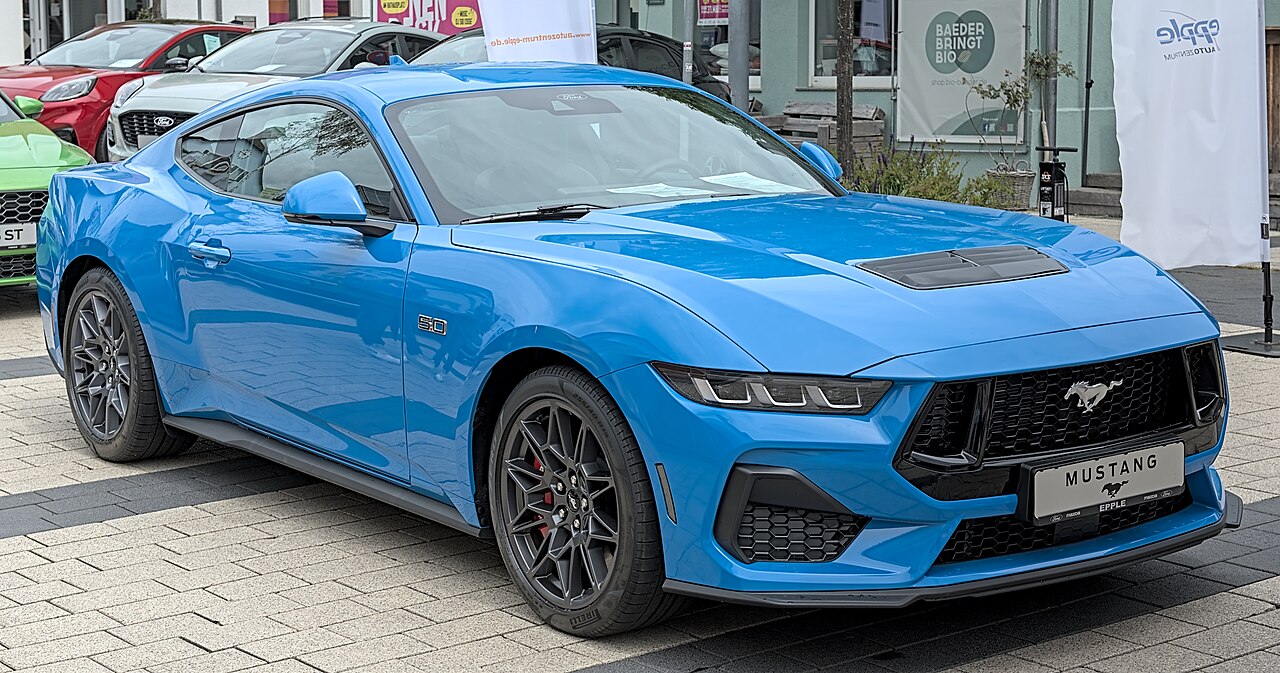
In the realm of high-performance production sports coupes, three engineering philosophies have emerged as benchmarks for circuit capability, straight-line acceleration, and driver connection. The Ford Mustang GT represents the zenith of naturally aspirated American muscle evolving into a precision track instrument. The Nissan GT-R (R35) stands as the pioneer of digital chassis management, rear-transaxle packaging, and all-weather all-wheel-drive traction. The BMW M4 Competition (G82) exemplifies modern German forced-induction chassis mastery, combining high-revving twin-turbocharged inline-six muscle with multi-mode electronic stability and active mechanical differentials.
Each vehicle approaches the challenge of circuit lap times through distinctly opposing thermodynamic, geometric, and drivetrain solutions. Understanding their performance envelope requires examining internal combustion architectures, gearbox torque capacities, differential yaw vectoring, and thermal endurance under severe track degradation.
Explore comprehensive specifications across our vehicle hubs for the Ford Mustang Specs, Nissan GT-R Technical Details, and BMW 3 and 4 Series Engineering Hub.
Technical Specifications & Circuit Performance Matrix
| Engineering Metric | Ford Mustang GT (S650 Dark Horse / PP) | Nissan GT-R Premium (R35) | BMW M4 Competition xDrive (G82) |
|---|---|---|---|
| Engine Architecture | 5.0L 90° Naturally Aspirated Coyote V8 | 3.8L 60° Twin-Turbo VR38DETT V6 | 3.0L Twin-Turbo S58 Inline-6 |
| Bore x Stroke (mm) | 93.0 x 92.7 mm | 95.5 x 88.4 mm | 84.0 x 90.0 mm |
| Compression Ratio | 12.0:1 | 9.0:1 | 9.3:1 |
| Aspiration & Boost | Naturally Aspirated (Dual 80mm TBs) | Twin IHI Turbochargers (13.5 psi) | Twin Mono-Scroll Turbos (18.9 psi) |
| Peak Power Output | 500 hp @ 7,250 RPM | 565 hp @ 6,800 RPM | 503 hp @ 6,250 RPM |
| Peak Torque Output | 418 lb-ft @ 4,900 RPM | 467 lb-ft @ 3,300–5,800 RPM | 479 lb-ft @ 2,750–5,500 RPM |
| Engine Redline | 7,500 RPM | 7,100 RPM | 7,200 RPM |
| Transmission Type | Tremec 6-Speed Manual / 10R80 10-Speed | 6-Speed Dual-Clutch (BorgWarner GR6) | 8-Speed M Steptronic (ZF 8HP76) |
| Drivetrain Layout | Front-Engine, Rear-Wheel Drive | Front-Mid Engine, Rear Transaxle AWD | Front-Mid Engine, Switchable AWD (xDrive) |
| Differential Hardware | Mechanical Torsen T-2R (3.73:1 / 3.55:1) | 1.5-Way Rear Mechanical LSD + Open Front | Active M Electronically Controlled Locking Diff |
| Curb Weight (lbs / kg) | 3,949 lbs (1,791 kg) | 3,933 lbs (1,784 kg) | 3,979 lbs (1,805 kg) |
| 0–60 mph Acceleration | 4.1 sec (Manual) / 3.7 sec (10R80) | 2.9 sec (Launch Control) | 2.8 sec (xDrive Launch Control) |
| 1/4-Mile E.T. & Trap | 12.0 sec @ 118 mph | 11.2 sec @ 123 mph | 11.0 sec @ 125 mph |
| Braking 60–0 mph | 98 ft (Brembo 6-Piston 390mm) | 102 ft (Brembo 6-Piston 390mm) | 96 ft (Carbon Ceramic 400mm) |
| Lateral Acceleration | 1.04 g (Pirelli P Zero Trofeo RS) | 1.02 g (Dunlop SP Sport Maxx GT) | 1.06 g (Michelin Pilot Sport 4S) |
| EPA City / Highway MPG | 15 / 24 MPG | 16 / 22 MPG | 16 / 23 MPG |
Powertrain Engineering: Naturally Aspirated Purity vs. Twin-Turbo Boost
Ford Coyote 5.0L V8: High-Revving Atmospheric Induction
The fourth-generation Ford Coyote 5.0-liter V8 employs an oversquare cylinder architecture (93.0 mm bore x 92.7 mm stroke) featuring an aluminum engine block with plasma transferred wire arc (PTWA) spray-bore cylinder liners. High volumetric efficiency is achieved through:
- 1.Dual Throttle Body Induction: Dual independent 80 mm throttle bodies feeding twin individual plenum runners, reducing intake throttling losses by 14% compared to single-bore systems.
- 2.Dual-Fuel Injection Strategy: Combining high-pressure direct injection (DI up to 170 bar) directly into the combustion chamber with low-pressure port fuel injection (PFI) in the intake runners. This preserves valve-seat cleaning while preventing detonation under high-compression (12.0:1) load.
- 3.Forged Rotating Assembly: A forged steel cross-plane crankshaft supported by six-bolt main bearing caps paired with sintered forged connecting rods allows a sustained 7,500 RPM operating ceiling.
On circuit, the Coyote V8 provides unparalleled throttle modulation. Mid-corner adjustments through the throttle pedal produce immediate, micro-metered torque corrections without the transient spool delay inherent to forced-induction systems.
For deep background on engine displacement metrics, consult our technical breakdown of Engine Displacement and Cylinder Sizing.
Nissan VR38DETT: Hand-Built Precision and Transaxle Packaging
Constructed entirely in a cleanroom environment by master craftsmen (Takumi), Nissan’s VR38DETT 3.8-liter 60-degree V6 utilizes a closed-deck aluminum cylinder block with plasma-sprayed bore walls (0.15 mm thick) that shed 6.6 lbs compared to iron liners while improving heat transfer from the piston rings to the engine cooling jackets.
- Twin IHI Turbochargers: Directly integrated into the exhaust manifolds to minimize exhaust gas volume before the turbine impeller, reducing backpressure and spool latency.
- Secondary Air Induction and High-Volume Intercooling: Twin air-to-air aluminum intercoolers mounted in the front fascia drop charge temperatures by up to 45°C before entry into the magnesium intake collectors.
- Low-Torque Peak Plateau: Peak torque of 467 lb-ft arrives at 3,300 RPM and remains continuous through 5,800 RPM, delivering immediate punch out of medium-speed hairpin exits.
BMW S58: Forged Motorsport Foundations and High Boost Capacity
Derived from BMW M GmbH's racing applications in the M4 GT3 and GT4 platforms, the S58B30O1 3.0-liter inline-six utilizes a closed-deck block design capable of containing combustion chamber pressures exceeding 140 bar.
- Forged Lightweight Crankshaft: Reduces rotational inertia for explosive rev climbs, while wire-arc sprayed cylinder coatings ensure low frictional resistance.
- 3D-Printed Cylinder Head Core: Enables intricate internal coolant passages that traditional cast tooling cannot produce, keeping cylinder head surface temperatures homogeneous across all six combustion chambers.
- Twin Mono-Scroll Turbos: Operating at up to 18.9 psi (1.3 bar) of manifold pressure, split evenly between cylinders 1–3 and 4–6, paired with an indirect liquid-to-air charge cooler integrated into the intake plenum.
Read more about forced induction engineering in our guide on Turbocharged vs. Naturally Aspirated Engines.
Drivetrain Architecture & Cornering Dynamics
``` POWER DELIVERY AND TORQUE SPLIT SCHEMATICS
Ford Mustang GT: [Front V8 Engine] ====> [Tremec 6MT / 10R80] ====> [Carbon Propshaft] ====> [Rear Torsen T-2R LSD] ===> 100% Rear Wheels
Nissan GT-R: [Front-Mid VR38] ====> [Carbon Main Shaft] ====> [Rear Transaxle GR6 DCT] ===> [Mechanical Rear LSD] (50-100% Rear)
||
[Secondary Steel Propshaft]
||
v [Hydraulic Central Wet Clutch] ===> (0-50% Front Wheels)
BMW M4 Competition xDrive: [Front-Mid S58] ====> [ZF 8HP76 Auto] ====> [M xDrive Transfer Case] ====> [Active M Rear Differential]
||
[Electronically Regulated Clutch] ===> [Front Axle Differential] ```
ATTESA E-TS vs. M xDrive vs. Torsen Mechanical RWD
1. Nissan ATTESA E-TS (Advanced Total Traction Engineering System for All-Terrain): The GT-R’s physical layout is unique: the engine sits behind the front axle line, but the gearbox is situated on the rear axle as an independent transaxle. Two separate driveshafts run beneath the passenger cabin floor. The primary carbon-composite shaft delivers engine torque rearward to the 6-speed dual-clutch transmission. When yaw sensors detect rear wheel slip or steering angle variation, an electronically controlled multi-plate clutch sends up to 50% of available torque forward via a secondary steel driveshaft to an open front differential. The result is a rear-biased chassis that dynamically pulls the front end toward the corner apex under throttle.
2. BMW M xDrive with Active M Differential: BMW’s system relies on a multi-plate wet clutch transfer case mounted directly to the tail of the ZF 8-speed transmission. Operating in tandem with an active multi-plate mechanical locking rear differential, the system constantly varies lockup from 0% (fully open for corner entry pivoting) to 100% (fully locked for straight-line traction). Drivers can select: * 4WD: Maximum stability and neutral traction. * 4WD Sport: Dynamic rear-biased torque split sending up to 70% rearward to promote controlled corner-exit oversteer. * 2WD: Complete electrical disconnection of front driveshafts, transforming the vehicle into a 503-hp pure rear-wheel-drive machine.
3. Ford Mustang Mechanical Torsen T-2R: The Mustang GT Dark Horse shuns electronic clutch packs in favor of an authentic helical-gear Torsen T-2R limited-slip differential. This torque-sensing unit multiplies input torque based on bias ratio (typically 2.5:1 to 3.0:1), transferring drive immediately to the wheel with greater mechanical grip without waiting for wheelspin or sensor activation. It offers the most visceral, unfiltered rear-axle feedback of the group.
For more on differential mechanics, review our breakdown of AWD, 4WD, FWD, and RWD Drivetrains Compared.
Thermal Management & Track Heat Dissipation
Sustained track duty rapidly exposes the thermal limitations of high-output sports coupes. Braking systems, engine oil sumps, and automatic gearboxes generate massive caloric loads that must be dissipated to avoid limp-mode intervention.
GT-R Transmission Overheating Challenges
The Nissan GT-R’s BorgWarner GR6 rear transaxle houses both the gearbox gearing and dual wet clutch packs in a unified housing. During aggressive 20-minute track sessions, clutch friction plate slip and exhaust proximity can elevate transmission fluid temperatures beyond 140°C (284°F). At this threshold, the transmission control module (TCM) triggers safety limp mode, locking out aggressive shifts and capping engine revs until fluid cools below 120°C. Track enthusiasts universally install auxiliary high-flow transmission fluid coolers equipped with electric scavenge pumps in the rear bumper cavity.
BMW M4 Motorsport Cooling Integration
The BMW M4 utilizes an elaborate multi-circuit cooling system:
- Primary high-temperature engine radiator flanked by two auxiliary radiators in the wheel arches.
- Dedicated horizontal transmission oil cooler suspended beneath the front belly pan.
- Separate low-temperature water circuit cooling the indirect air-to-water intercooler plenum.
- Variable-displacement mechanical water pump and electric auxiliary water pump to circulate coolant even after engine shutdown to prevent turbocharger bearing coke formation.
Mustang Dark Horse Track Pack Solutions
To prevent the Coyote V8 and Tremec manual transmission from overheating, the Dark Horse specification includes:
- Engine oil cooler mounted directly into the radiator core airflow.
- Auxiliary transmission cooler circulating manual/automatic fluid through dedicated heat exchangers.
- Active rear differential cooler mounted beneath the spare tire well with a rear-axle thermal sensor activating an electric pump when differential temperatures exceed 105°C (221°F).
Nürburgring Lap Times, Braking, and Chassis Dynamics
``` CIRCUIT LAP TIME HIERARCHY (Nürburgring Nordschleife 20.8 km)
- 1.BMW M4 Competition xDrive (G82) ---------> [ 7:28.57 ] (Extreme aero, CLAR rigidity)
- 2.Nissan GT-R Premium (R35 Facelift) -------> [ 7:34.80 ] (ATTESA AWD high-speed poise)
- 3.Ford Mustang Dark Horse (S650) -----------> [ 7:49.20 ] (Atmospheric V8, MagneRide 3.0)
`
Braking Systems and Thermal Decay
- Ford Mustang GT Dark Horse: Utilizes 390 mm front vented two-piece steel rotors clamped by 6-piston fixed aluminum Brembo calipers. With factory high-temp brake fluid, the Mustang delivers consistent 98-foot stopping distances from 60 mph, though repeated stops from 140 mph induce minor pedal softening due to brake pad outgassing.
- Nissan GT-R: Equipped with 390 mm full-floating cross-drilled steel rotors with diamond-pattern cooling vanes and 6-piston monobloc Brembo calipers. The system exhibits exceptional initial bite, but the 3,933 lb curb weight accelerates brake pad wear on tight, low-speed circuits.
- BMW M4 Competition: Available with massive 400 mm front carbon-ceramic rotors (M Carbon Ceramics) with gold 6-piston calipers. Carbon-ceramic discs eliminate thermal brake fade entirely up to 800°C, shedding 31 lbs of unsprung rotational mass, vastly improving suspension rebound compliance over curbs.
The Verdict: Which Track Performance Coupe Fits Your Mission?
Choosing between these three track instruments depends on operating budget, driving style, and priority metrics:
1. The Pure Enthusiast’s Choice: Ford Mustang GT / Dark Horse For drivers seeking atmospheric engine response, a traditional manual gearbox with auto rev-matching, and accessible maintenance costs, the Mustang GT Dark Horse delivers unmatched smiles per mile. It is the purest driver's car of the trio. 2. The High-Tech Mechanical Benchmark: Nissan GT-R Despite its long production lifecycle, the GT-R remains a titan of mechanical traction. Its ability to generate immediate corner-exit speed in wet or dry conditions through mechanical differentials and rear-transaxle engineering is legendary. 3. The Uncompromising Lap Time Weapon: BMW M4 Competition xDrive The M4 Competition is the most complete, modern, and rapid performance coupe currently on sale. With instantaneous twin-turbo punch, an unyielding chassis structure, configurable AWD/RWD versatility, and flawless track thermal management, it sets the standard against which all contemporary sports coupes are judged.
Frequently asked questions
Which coupe is fastest around a technical racetrack: Mustang GT, Nissan GT-R, or BMW M4?
Around technical, high-speed tracks like Virginia International Raceway (VIR) or the Nürburgring Nordschleife, the BMW M4 Competition xDrive (G82) generally posts the fastest lap times (7:28.57 at the 'Ring), edging out the standard Nissan GT-R Premium (7:34-7:38) due to its stiffer CLAR platform, superior front-end turn-in geometry, and 503-hp twin-turbo S58 engine. The Ford Mustang GT Performance Pack follows closely behind with consistent 7:50-range capability.
How does the Nissan GT-R's ATTESA E-TS AWD compare to BMW's M xDrive?
The Nissan GT-R uses a bespoke dual-driveshaft system where power flows rearward to a 6-speed dual-clutch transaxle, then a secondary forward shaft sends up to 50% of torque to the front wheels via an electronically controlled hydraulic multi-plate clutch based on lateral G and yaw rate. BMW's M xDrive uses a central transfer case bolted behind an 8-speed automatic with an electronically controlled multi-plate clutch, allowing full rear-wheel-drive disconnection at the push of a button.
What is the maximum redline and power delivery curve of the Ford Mustang GT Coyote V8?
The Gen-4 5.0L Coyote V8 features dual throttle bodies and dual-fuel injection (direct and port), revving cleanly to a 7,500 RPM redline. Unlike turbocharged powerplants that hit peak torque by 2,500 RPM, the Coyote produces peak torque (415-418 lb-ft) at 4,900 RPM and peak horsepower (480-500 hp) at 7,150 RPM, requiring drivers to keep the engine in higher rev bands for maximum velocity.
Do any of these performance coupes suffer from track overheating or limp mode?
The Nissan GT-R's BorgWarner GR6 dual-clutch transmission is historically prone to fluid overheating (>140°C / 284°F) during extended 20-minute track sessions without an auxiliary transmission cooler. The BMW M4 possesses exceptional factory cooling with three separate radiators and two oil coolers. The Ford Mustang GT standard trim can see differential temperature warnings on track, making the Performance Pack / Dark Horse dual-core oil coolers essential for track duty.
Which vehicle offers the lowest long-term maintenance and brake replacement costs?
The Ford Mustang GT offers substantially lower routine operating costs. Its steel two-piece Brembo rotors and conventional high-volume V8 components cost roughly one-third of the Nissan GT-R's Brembo floating two-piece discs and specialized dual-clutch fluid flushes. The BMW M4 sits in the middle, unless equipped with optional carbon-ceramic brakes (M Carbon Ceramics), which can exceed $12,000 for replacement sets.
Cite this page: https://cardataindex.com/blog/track-performance-coupes-mustang-gt-vs-gtr-vs-bmw-m4
Keep researching
Cross-check the numbers in this guide against live factory data in our specification index or decode a specific car with the free VIN decoder.