Braking Systems Compared: Carbon Ceramic Rotors vs. Two-Piece Floating Steel (Thermal Fade, Pad Life & Track Costs)
Should you spend $9,000 on carbon ceramic brakes? Friction coefficients above 600°C, unsprung rotational weight reduction, and real-world rotor longevity.
Car Data Index Technical Staff
Automotive data desk · Sources: NHTSA · EPA · OEM records
The Thermodynamics of Deceleration: Kinetic Energy to Thermal Radiation
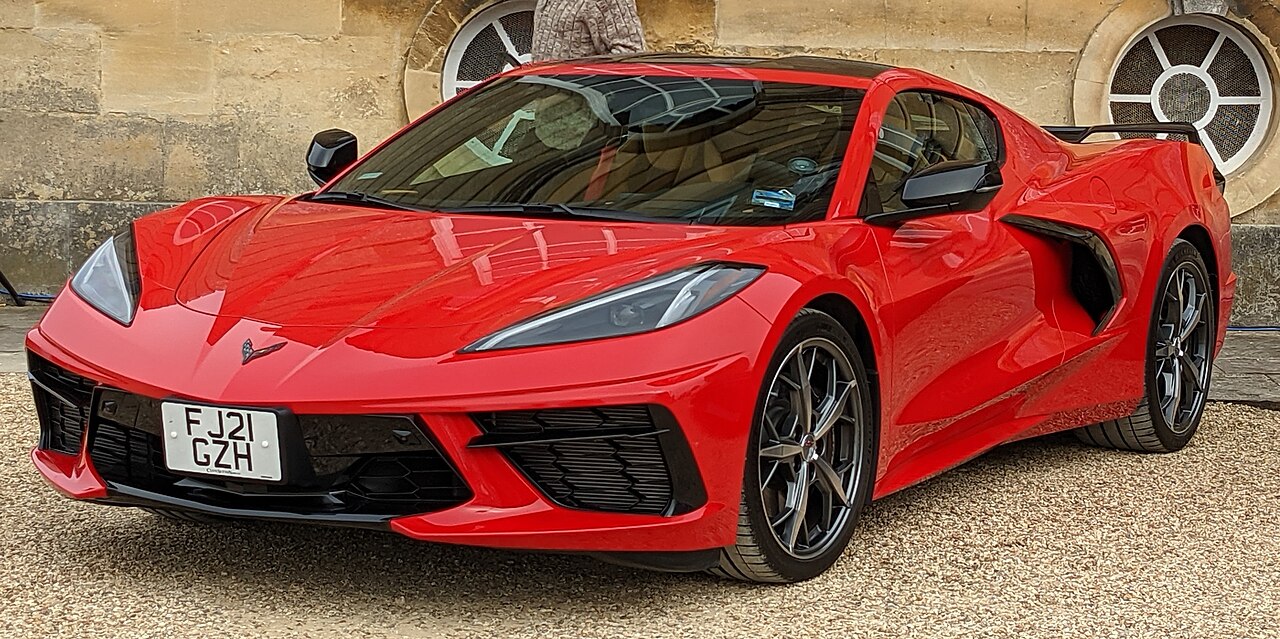
When a 3,500-pound sports car crests the front straight of a racetrack at 160 miles per hour and approaches a 50-mph hairpin turn, its motion is governed by classical kinetic energy:
Kinetic Energy Deceleration Equation:
Ek = ½ · m · v²
* Vehicle Curb Weight (m): 1,587 kg (3,500 lbs)
* Braking Speed Delta (v): 71.5 m/s (160 mph ? 50 mph)
* Dissipated Thermal Energy: 4,057,000 Joules (4.06 MJ) of instantaneous kinetic heat absorbed by the front friction discs.
Over four seconds of threshold braking, the vehicle braking system must absorb and dissipate over 4 megajoules of energy—equivalent to the electrical energy required to run an entire household for four hours, compressed into a split-second mechanical contact patch.
All 4 megajoules are converted instantaneously into thermal friction heat at the interface between the brake pads and the spinning brake rotors.
If that thermal energy cannot be absorbed and radiated into the cooling airstream faster than it is generated, disaster strikes:
- Brake pad friction compounds break down and vaporize into gas, causing the pedal to push against an air cushion (pad fade).
- Rotor surfaces exceed 700°C, causing cast iron to warp, craze, and suffer dimensional distortion.
- Heat conducts through the caliper pistons into the hydraulic brake fluid, boiling the moisture inside the fluid and causing the pedal to sink straight to the floor (fluid boil).
To survive this thermal onslaught, high-performance sports cars utilize two elite technologies: Two-Piece Floating Iron Rotors and Carbon Fiber-Reinforced Silicon Carbide (Carbon Ceramic) Rotors.
Explore our related analyses on Mid-Engine vs. Front-Engine Sports Car Dynamics and Transmission Types Compared.
Technical Specifications: Carbon Ceramic vs. Two-Piece Floating Steel
| Engineering Parameter | Carbon Ceramic (C/SiC Composite) | Two-Piece Floating Cast Iron | OEM One-Piece Stamped Steel |
|---|---|---|---|
| Rotor Material Formulation | Carbon Fiber Matrix + Liquid Silicon Carbide | High-Carbon Cast Grey Iron Friction Ring | Mild Alloy Cast Iron (Single Piece) |
| Mounting Hat Construction | Forged 6061-T6 Aluminum with Bobbins | Forged 6061-T6 Aluminum with Drive Pins | Integrated Cast Iron Hat (Solid Cast) |
| Rotor Mass (Per Front Corner) | 13.5 – 16.5 lbs (6.1 – 7.5 kg) | 24.0 – 28.0 lbs (10.9 – 12.7 kg) | 32.0 – 38.0 lbs (14.5 – 17.2 kg) |
| Unsprung Weight Savings (Axle) | -30 to -45 lbs (14 to 20 kg saved!) | -14 to -20 lbs vs. One-Piece | Baseline (Heaviest) |
| Max Continuous Operating Temp | 850°C – 1,000°C (1,560°F – 1,832°F) | 600°C – 680°C (1,112°F – 1,256°F) | 450°C – 520°C (Thermal Fade Limit) |
| Thermal Expansion Coefficient | 1.5 – 3.0 × 10?? / K (Negligible) | 11.0 × 10?? / K (Expands radially) | 11.0 × 10?? / K (Warps hat) |
| Friction Coefficient ($mu$) Hot | 0.45 – 0.52 (Constant up to 900°C) | 0.40 – 0.48 (Fades above 650°C) | 0.28 – 0.35 (Severe High-Temp Fade) |
| Cold Street Bite (< 50°C) | Low / Requires Firm Pedal Effort | Instant, High Initial Bite | Normal Street Response |
| Brake Dust & Corrosion | Zero Black Dust; 100% Rust-Proof | Heavy Black Iron Dust; Surface Rust | Heavy Dust; Rusts after rain |
| Street Lifespan | 100,000 – 150,000+ miles | 40,000 – 60,000 miles | 30,000 – 50,000 miles |
| Track Day Lifespan | 15 – 30 Hard Track Days (Oxidation) | 20 – 35 Track Days (Crack monitoring) | 3 – 8 Track Days (Surface cracks) |
| Rotor Replacement Cost (Set) | $12,000 – $20,000 (Exotic) | $600 – $900 (Friction rings only) | $300 – $500 |
1. Metallurgy & Manufacturing: How Carbon Ceramic Rotors Are Born
Carbon Ceramic (often abbreviated CCB or C/SiC) rotors are not pressed carbon like race car clutches; they are high-tech ceramic-matrix composites:
Carbon Ceramic (C/SiC) 4-Stage Manufacturing Protocol:
1. Carbon Fiber Needling: High-strength polyacrylonitrile (PAN) structural carbon fibers are chopped into a 3D random reinforcement matrix.
2. High-Heat Pyrolysis Carbonization: Preforms are baked in vacuum furnaces at 1,000°C (1,832°F) to burn off volatile organic binders, leaving a porous pure carbon matrix.
3. Liquid Silicon Infiltration (LSI): Discs are heated to 1,420°C (2,588°F) in a high-vacuum chamber where molten liquid silicon is drawn into the pores via capillary action.
4. Chemical Silicon Carbide Synthesis: Silicon reacts spontaneously with carbon (Si + C ? SiC), synthesizing diamond-hard ceramic silicon carbide with zero thermal distortion.
The Ceramic Matrix Composite
The core is formed by pressing short chopped carbon fibers coated with resin into a matched steel mold containing directional internal cooling vane passages. The preform is baked in a pyrolysis furnace at 1,000°C, converting the resin to pure porous carbon.
Next, the porous disc is heated to 1,420°C (2,588°F) in a high-vacuum chamber containing liquid pure silicon. Through capillary action, the molten silicon sucks into the pores and chemically reacts with the carbon fibers to synthesize Silicon Carbide (SiC)—a synthetic ceramic second in hardness only to diamond.
The finished rotor disc is diamond-ground to sub-micron flatness and coated with an external silicon carbide friction layer. It will never corrode, never rust from standing water or winter salt, and will never oxidize under normal street temperatures.
2. Unsprung & Rotational Mass Physics: Why Lighter Brakes Make Cars Faster
The most dramatic dynamic performance improvement delivered by carbon ceramic brakes has nothing to do with friction; it is Newton's Second Law applied to the suspension:
Vehicle Suspension Mass Hierarchy:
* Sprung Mass (Body & Chassis): Supported directly by suspension springs; includes the vehicle unibody, engine, transmission, interior cabin, and passengers.
* Suspension Damping Interface: High-rate coil springs, magnetic dampers, and anti-roll sway bars managing pitch and roll oscillations.
* Unsprung Mass (Direct Road Contact): Everything situated below the springs, including forged wheels, tires, wheel bearings, suspension uprights, brake calipers, and brake rotors.
Unsprung Mass
Every pound of mass located beneath the suspension springs (the wheel, tire, caliper, knuckle, and rotor) is unsprung weight. When a vehicle hits a bump on a racetrack at 100 mph, the tire and wheel are accelerated upward.
A heavy cast-iron rotor (30+ lbs) possesses immense momentum, forcing the spring to compress violently and preventing the shock damper from returning the tire to the pavement quickly. Because carbon ceramic rotors shed 35 to 45 pounds across all four corners, the suspension reacts with lightning-fast agility, keeping the tire contact patch glued to the road over curbing and pavement ripples.
Rotational Inertia
Because brake rotors spin with the wheels, their mass acts as a flywheel:
Key Formula:
Rotational Kinetic Energy = ½ × I × ?² (Where I is rotational inertia and ? is angular velocity).
Shaving 8 to 10 pounds of rotating mass off each corner decreases the wheel's moment of inertia, allowing the engine to accelerate the car faster and reducing the gyroscopic precession forces that resist steering turn-in at high speeds.
3. The Track Day Paradox: The Hidden Oxidation Expense
Automotive dealerships often market carbon ceramic brakes to sports car buyers with the promise: "These brakes will last the lifetime of the vehicle!"
On the street, that claim is 100% accurate. Driven on public roads, carbon ceramic rotors endure minimal heat (rarely exceeding 200°C) and can easily surpass 150,000 miles (240,000 km) without measurable surface wear.
However, for competitive track-day drivers, carbon ceramics become a financial nightmare:
Thermal Operating Thresholds & Oxidation Kinetics:
* Street Thermal Range (0°C to 200°C): Zero chemical oxidation; rotors maintain 100% density and routinely surpass 150,000+ miles with negligible wear.
* High-Performance Track Zone (Above 600°C / 1,112°F): Atmospheric oxygen penetrates micro-pores in the silicon carbide coating, oxidizing internal carbon fibers into carbon dioxide gas (C + O2 ? CO2). The rotor loses internal mass/density while retaining external dimensional thickness.
The Chemistry of Track Oxidation
When carbon ceramic rotors exceed 600°C (1,112°F) during continuous 20-minute track sessions, atmospheric oxygen penetrates micro-pores in the silicon carbide friction coating. Oxygen reacts directly with the internal carbon fiber reinforcement:
Key Formula:
Carbon Fiber Oxidation Reaction: C + O2 ? CO2 (gas) at temperatures above 650°C.
The carbon fibers literally vaporize into carbon dioxide gas! The rotor disc does not get thinner; instead, it loses internal mass and density, becoming mechanically porous and weak.
Once a carbon ceramic rotor drops below its stamped minimum mass weight (a loss of just 80 to 100 grams of carbon), the rotor must be thrown away to prevent structural fracture. Replacing a set of four carbon ceramic rotors on a Corvette Z06, Porsche 911 GT3, or BMW M4 costs between $14,000 and $22,000.
For this reason, over 80% of serious track day racers remove their factory carbon ceramic brakes and store them in their garage, replacing them with two-piece floating cast-iron rotors for track duty.
4. The Alternative: Two-Piece Floating Cast-Iron Rotors
For 95% of performance drivers, the optimal engineering solution is a Two-Piece Floating Iron Rotor (pioneered by AP Racing, Brembo, and Girodisc):
Two-Piece Floating Rotor Architecture & Mechanics:
* Cast-Iron Outer Friction Ring: Absorbs intense brake pad friction up to 650°C, expanding radially outward under extreme thermal load.
* Forged 6061-T6 Aluminum Center Hat: Mounts securely to the wheel hub, shaving 6 to 10 lbs of unsprung rotational mass per corner.
* Radial Floating Drive Pins & Anti-Rattle Clips: Connects the iron ring to the aluminum hat while permitting independent radial expansion, permanently preventing rotor coning, warping, and high-speed pedal judder.
Why Two-Piece Floating Rotors Outperform One-Piece OEM Discs
- 1.Radial Thermal Expansion: Cast iron expands significantly when heated to 600°C. In a traditional one-piece steel rotor, the hot outer friction ring is constrained by the cold center hub (hat), causing the rotor to cone and warp into a wavy potato-chip shape. In a floating two-piece rotor, elongated drive bobbins allow the friction ring to expand outward independently, maintaining absolute flatness and zero brake pedal judder.
- 2.Aluminum Hat Weight Savings: By machining the center hat from forged 6061-T6 aircraft aluminum, two-piece rotors shed 6 to 10 pounds of unsprung mass per corner compared to standard iron discs.
- 3.Cheap Replacement Rings: When an iron rotor eventually develops heat-check microcracks after 30 track days, the driver does not replace the entire assembly. They simply unbolt the iron outer ring and install a fresh pair of replacement rings for $600 to $800, reusing the forged aluminum hat indefinitely.
Summary & Buyer Recommendations
- Choose Carbon Ceramic Brakes (CCB) if you drive primarily on the street and canyons, demand zero black brake dust on your custom wheels, despise rotor surface rust after washing your car, and prioritize maximum exotic supercar visual presence.
- Choose Two-Piece Floating Iron Brakes if you regularly drive on road courses or track days, prioritize affordable consumables, demand instant cold-morning brake pedal bite, and want 95% of carbon-ceramic thermal fade resistance at 5% of the long-term replacement cost.
Explore our technical comparisons on Mid-Engine vs. Front-Engine Dynamics and All-Weather AWD Shootout.
Frequently asked questions
Are carbon ceramic brakes worth the $8,000 to $12,000 factory option price?
For street drivers who want zero brake dust, zero rotor rust, incredible visual appeal, and lifetime rotor durability without ever replacing brakes, yes. However, for dedicated track-day drivers who track their car monthly, carbon ceramic brakes are a financial liability: track-level thermal oxidation consumes rotors within 15 to 25 track days, resulting in $15,000+ replacement bills. Most serious track enthusiasts swap CCB rotors for two-piece floating steel.
Why do carbon ceramic brakes squeal and squeak so loudly in normal city driving?
Carbon ceramic brake pads require high thermal friction to bite smoothly. At low street speeds and ambient morning temperatures below 150°C (300°F), the pads glaze lightly against the ultra-smooth ceramic rotor surface. This micro-vibration resonates through the monobloc caliper piston seals at high audible frequencies (3,000 to 8,000 Hz), producing an annoying high-pitched squeal that disappears once the brakes get hot.
How does reducing unsprung rotational weight improve car handling?
Unsprung weight includes everything not supported by the car's suspension springs (wheels, tires, brakes, uprights). Because brake rotors spin, they also possess rotational inertia. Saving 10 pounds of rotational mass per wheel allows the shock absorbers to react instantly to road imperfections, keeping the tire in constant contact with the pavement and delivering sharper steering turn-in response.
Can you resurface or turn a carbon ceramic brake rotor like a steel rotor?
No. Carbon ceramic rotors cannot be resurfaced on a standard brake lathe. Because CCB rotors wear by chemical oxidation of the internal carbon fibers rather than surface friction thinning, their structural health is measured by **minimum weight (grams)** stamped on the rotor hat, or with specialized high-frequency eddy-current dielectric surface sensors (such as Carboteq).
Why do two-piece floating steel rotors perform better than standard one-piece iron rotors?
A two-piece floating rotor separates the cast-iron outer friction ring from the central aluminum mounting hat using floating drive pins or bobbins. As the iron friction ring heats up to 600°C and expands radially, the floating pins allow the ring to expand outward uniformly without transferring thermal stress to the aluminum hat, preventing rotor coning, warping, and pedal shudder.
Cite this page: https://cardataindex.com/blog/braking-systems-carbon-ceramic-vs-two-piece-floating-steel
Keep researching
Cross-check the numbers in this guide against live factory data in our specification index or decode a specific car with the free VIN decoder.